
Ever think, “I’d be so hot if I wasn’t bloated almost every damn day?” Because that’s me, literally, every other day (OK, maybe not the I’m so hot part, but constantly looking and feeling bloated). If a constant layer of bloat is stopping your defined and delicate features to shine, you’re going through what pretty much every women (and men) experience.
While a lot of it does have to do with your diet, it can be caused by hormones, stress, dehydration, or even the way you sleep. The good thing is, this isn’t just something you have to chalk up to genetics and can’t change.

We’ll go through a few easy anti-bloat daily habits you can start today, as well as a few bloat draining facial exercises, and a list of foods to avoid that cause bloating. And that doesn’t mean cutting out everything you love to eat. It’s just being smarter about what and how you eat.
Anti-Bloat Daily Habits Tips

While there’s no way to get rid of it altogether, you can cut down the bloat big time with a few small daily tweaks that will leave your tummy flatter and face looking snatched.
Start Your Morning with Warm Lemon Water
Before your coffee, sip a glass of warm water with fresh lemon. It wakes up your digestive system, hydrates you after sleeping, and can help things “move along” earlier in the day so you’re not dealing with it later.
Why it works: Warm water relaxes your digestive tract, and lemon adds a small dose of vitamin C and potassium, which can help flush excess sodium (a sneaky bloating culprit).
Reduce Salt and Sugar
A salty lunch followed by a sugary snack can leave you retaining water and feeling sluggish. High salt pulls water into your tissues, and sugar spikes your insulin, which encourages your body to store more sodium and water. And most importantly, no salty or sweet snacks before bedtime.
Better combo: Pair sweets with protein or healthy fat, like dark chocolate with almonds or strawberries with Greek yogurt, to avoid the bloat-and-crash cycle.
Eat Slowly and Chew More
If you inhale your food like it’s a competitive sport, you’re swallowing more air than you realize, and that air has to go somewhere. Taking smaller bites and chewing thoroughly gives your body a head start on breaking down food, which reduces fermentation and gas in your gut, and will help you to stop overeating.
Pro tip: Try putting your fork down between bites. It forces a natural pause and helps you check in with your fullness level before you overeat.
Keep Hydration Steady All Day
Dehydration actually makes your body hold onto water, which can cause that puffy feeling. The trick is to sip water consistently throughout the day instead of chugging a huge amount all at once.
Upgrade your water: Infuse it with cucumber, mint, or ginger, all of which have mild natural diuretic and digestive-supporting properties.
Move After Meals
A quick 5–10 minute walk after eating can help food move through your system, lower blood sugar spikes, and reduce that heavy, bloated feeling. Even standing and stretching is better than sitting completely still.
Science-backed tip: Light post-meal movement improves digestion by stimulating the muscles in your gut. It’s basically a gentle nudge to keep things flowing.
Balance Your Fiber
Fiber is your friend, but suddenly loading up on it can make bloating worse. Gradually increase your intake from fruits, veggies, and whole grains, and pair it with plenty of water so it moves smoothly through your system.
Bonus: Aim for both soluble fiber (oats, chia seeds) to regulate digestion, and insoluble fiber (leafy greens, whole grains) to keep things moving.
Facial Exercises To Help Reduce Bloating and Swelling
These moves are great for stretching out tension and boosting blood flow as well as reducing bloating and swelling in your face.
The Cheek Puffer

- The Move: Inhale through your nose and puff your cheeks up like a blowfish. Hold the air for a few seconds, then release slowly through your mouth.
- Why it works: It helps move stagnant fluid and enhances circulation in the cheek area.
The Lion’s Breath

- The Move: This is a great stress reliever. Take a deep breath in. As you breathe out, open your eyes wide, open your mouth wide, stick your tongue out as far as you can, and shout a big “HA!”
- Why it works: It stretches out your entire face and jaw, which helps release tension that can contribute to puffiness.
The Fishy Face

- The Move: Suck in your cheeks like you’re making a fish face. Hold for 5–10 seconds. Relax and repeat 10–15 times.
- Why it works: Helps reduce swelling and activates and tones face muscles.
Lymph Node Draining
Lymphatic Neck Drainage

- The Move: Tilt your head slightly back. Gently place your knuckles under your chin and glide downwards to your collar bone. Repeat 10 times.
- Why it works: This is crucial before and after any face massage as it “opens” the drainage pathway.
Sweep the Jawline and Cheeks

- The Move: Use your flat hands or your knuckles and sweep firmly from the center of your chin up along your jawline all the way to your ears. When you reach your ears (a major lymph node area), sweep your fingers straight down the sides of your neck to your collarbone. Do this 5 times on each side.
- Why it works: Gently stimulates the flow of lymphatic fluid to reduce puffiness and inflammation.
De-Puff the Eyes

- The Move: The skin here is very delicate, so use a feather-light touch, perhaps with just your ring finger. Start at the inner corner of your under-eye area and gently glide your finger outward toward your temple. Do this 10 times.
- Why it works: Manually stimulates the lymphatic system to drain excess fluid from the tissues around the eyes
Tools and Other Tips
Some tools can enhance the effects of a facial massage:
Gua Sha or Facial Roller

These tools, often made of jade or rose quartz, are used to gently scrape or roll over the face, following the same lymphatic drainage pathways (moving out and down toward the neck/collarbone). Keeping them in the refrigerator can add a cooling, de-puffing effect.
Recommended:
BAIMEI IcyMe Gua Sha & Jade Roller
Cold Therapy (Ice Roller)

A cold ice roller helps constrict blood vessels and reduce inflammation quickly. Gently roll it in upward and outward strokes from the center of your face.
Recommended:
ESARORA Ice Roller for Face & Eye
Avoid Foods That Cause Bloat

Cruciferous Vegetables
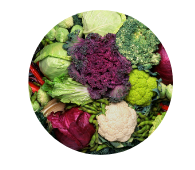
Examples: Broccoli, cauliflower, Brussels sprouts, cabbage
Why: These are packed with nutrients but also with raffinose, a complex sugar that your gut bacteria ferment, creating gas. Eating them raw can make the bloat worse, so steaming or roasting can make them easier on your system.
Beans and Lentils
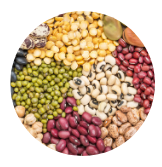
Examples: Black beans, kidney beans, chickpeas, lentils
Why: They’re full of fiber and oligosaccharides, which your digestive system struggles to break down. This leads to fermentation in the gut and plenty of gas. Soaking beans before cooking or using canned versions can help reduce the effect.
Carbonated Drinks
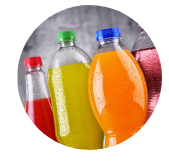
Examples: Soda, sparkling water, beer
Why: The bubbles you see in your drink are carbon dioxide. When you swallow them, they add air to your stomach, leaving you feeling full and bloated.
Dairy Products
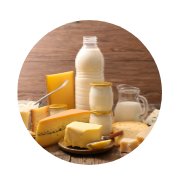
Examples: Milk, ice cream, cheese, yogurt
Why: If you’re lactose intolerant, even mildly, these foods can ferment in your gut and lead to gas, cramping, and bloating. Lactose-free or plant-based alternatives can make a big difference.
Salty, Fried, Processed Foods
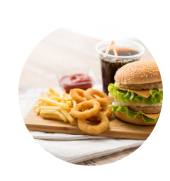
Examples: Chips, canned soup, fast food
Why: High sodium levels make your body hold onto water. This causes swelling and a puffy, heavy feeling rather than just gas bloat. Balancing these meals with potassium-rich foods like bananas can help.
Artificial Sweeteners
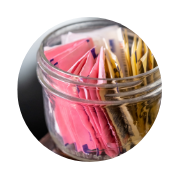
Examples: Sorbitol, mannitol, xylitol (often found in sugar-free gum or candy)
Why: These sweeteners don’t fully absorb in your small intestine. They move into the large intestine where bacteria ferment them, creating gas.
Onions and Garlic
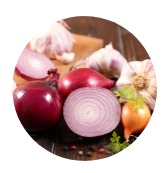
Why: Both are high in fructans, a carbohydrate that can be difficult to digest for some people. This can cause gas and stomach discomfort even in small amounts.
Chewing Gum
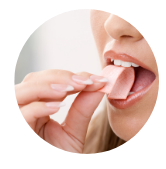
Why: Chewing gum makes you swallow air without realizing it, and that air gets trapped in your digestive system. Many gums also contain sugar alcohols, which can worsen bloating.
Certain Fruits
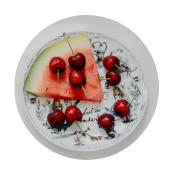
Examples: Apples, pears, cherries, watermelon
Why: Believe it or not, some fruits can cause bloating if eaten in excess. These fruits are high in fructose and sometimes sorbitol. If your body doesn’t absorb these sugars well, they can cause bloating. Eating smaller portions or pairing them with protein can make them easier to tolerate.
Also Read:
- Could You Handle a Kpop Diet? – See What Idols Eat
- The Green Mediterranean Diet: A New Take on Heart-Healthy Eating