
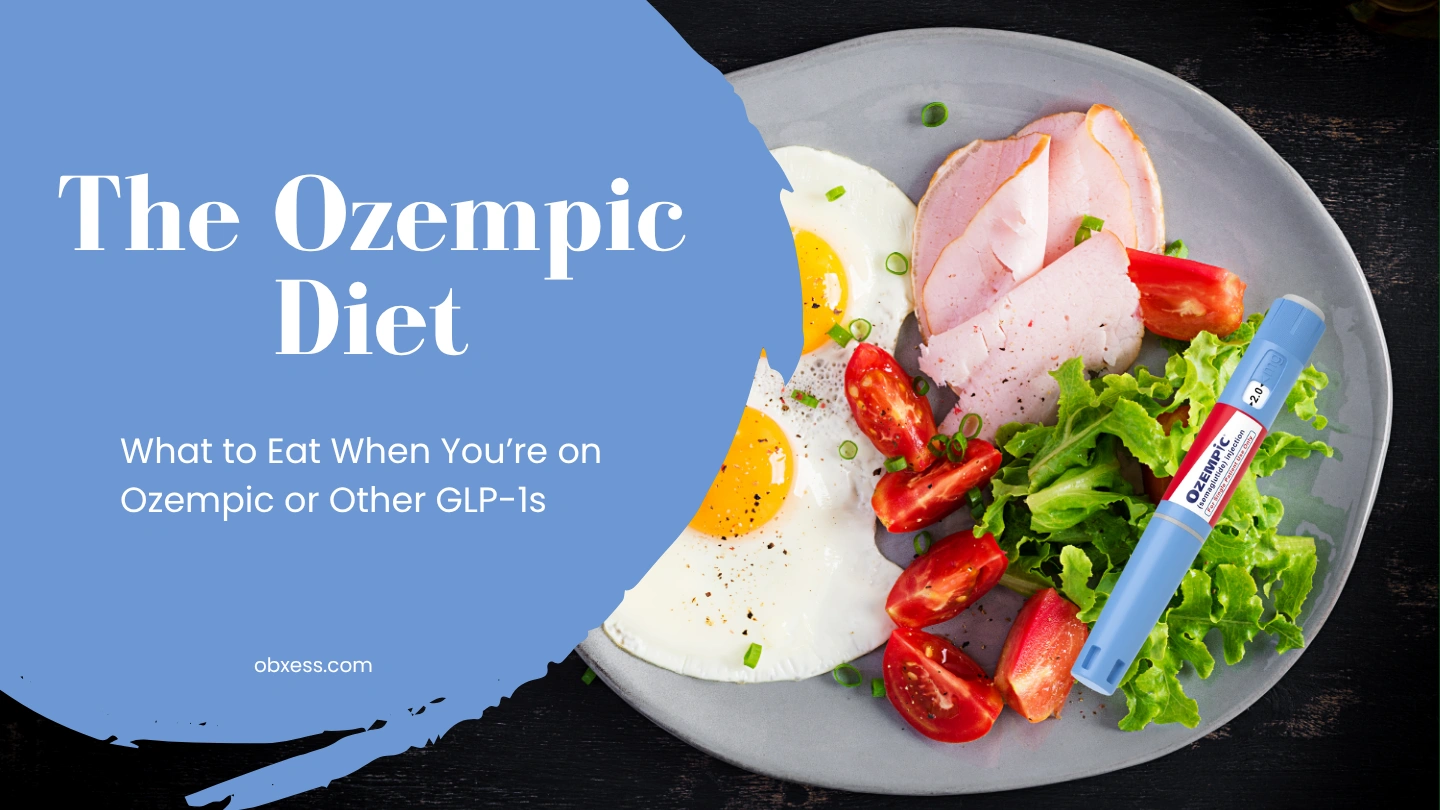
What to eat (and avoid) to feel your best while on Ozempic and other GLP-1s
You’ve started Ozempic or Wegovy, Mounjaro, or any of the GLP-1 gang, and you’re eating less, sure, but are you eating right? It’s a must refine the Ozempic diet to get the most out of GLP-1s.
Because here’s the thing nobody tells you: smaller portions mean every single bite has to work harder. And if you’ve been living on crackers and protein shakes wondering why you feel like a deflated balloon with a side of stomach cramps, your diet could be a big part of the reason..
We’re covering what to load your plate with, what to quietly push to the side, how to keep your energy from tanking. We’ll even go over how to deal with the bloat, because nothing about your glow-up should involve unbuttoning your jeans at the dinner table.
First, Let’s Look at What Ozempic Actually Does to Your Appetite
GLP-1 medications work by slowing digestion and signaling your brain that you’re full fast. Like, two bites of pasta and you’re done fast. That’s great for weight loss, but it also means your body is absorbing fewer nutrients overall.
The golden rules of the Ozempic plate: high protein, moderate healthy fats, low sugar, low fat, easy-to-digest carbs, and fiber that doesn’t send your gut into chaos.
The Ozempic Plate Formula
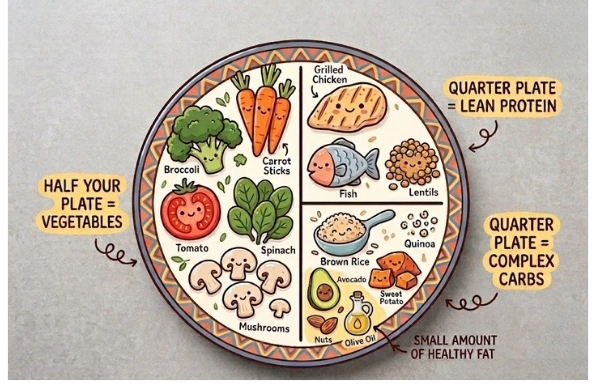
Think of every meal like this: half your plate = vegetables, a quarter = lean protein, a quarter = complex carbs, plus a small amount of healthy fat.
Keep portions modest (your medication is literally helping you here), eat slowly, hydrate like it’s your job, and don’t skip meals in an attempt to “speed things along.” That’s a recipe for fatigue and muscle loss, not the glow-up you’re after.
Ozempic is a tool, not an all-in-one magic solution. What you eat still matters, maybe more than ever, actually. But with the right foods in your corner, you can lose weight, feel energized, minimize the digestive drama, and still enjoy your food. Life is too short to eat sad meals, even on a weight-loss journey.
The Power Players: What to Put on Your Plate
When you’re eating less, protein is the VIP guest at every meal. It preserves your muscle mass (because the goal is to lose fat, not become a smaller version of tired), keeps you feeling satisfied longer, and helps your body function like the powerhouse it is.
Protein Is Your New Best Friend
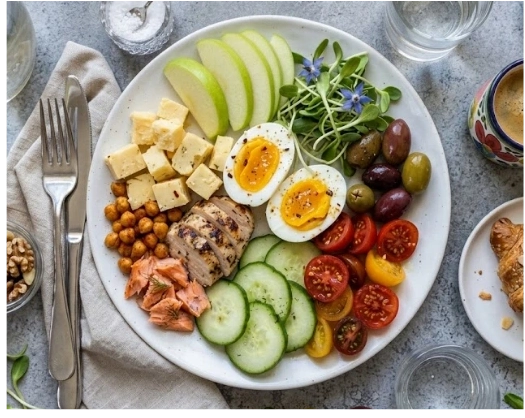
Best protein picks on Ozempic:
- Eggs — scrambled, poached, hard-boiled, or in a frittata. Gentle on the stomach, packed with nutrients, and endlessly versatile.
- Grilled chicken or turkey — lean, easy to digest, and blandly inoffensive to a sensitive stomach.
- Greek yogurt — double duty as a protein and a probiotic. Your gut will send thank-you notes.
- Cottage cheese — yes, it’s having a major moment, and for good reason. High protein, low fat, and surprisingly satisfying.
- Salmon and other fatty fish — omega-3s for your brain, protein for your muscles, and anti-inflammatory properties for the whole situation.
- Tofu and edamame — plant-based queens that your digestive system tends to tolerate really well.
Aim for 25–30 grams of protein per meal. This is especially crucial because Ozempic can drain you of all your energy and cause muscle loss if you’re not intentional about it.
Vegetables That Love You Back
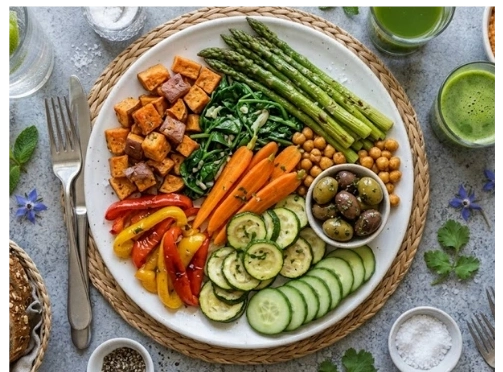
Not all vegetables are created equal when your digestion is running in slow motion. Cruciferous veggies like broccoli, cauliflower, and cabbage are incredibly nutritious but warning, they’re also famously gassy, and on Ozempic, that gas has nowhere to go quickly. So we’re not saying never, we’re saying go easy until you know how your body responds.
Gut-friendly veggie MVPs:
- Zucchini
- Spinach and other leafy greens (cooked is often easier than raw)
- Cucumber
- Bell peppers (red and yellow tend to be gentler than green)
- Carrots (cooked)
- Asparagus
- Sweet potato (in moderate portions — it’s also a complex carb win)
Cook your vegetables more than you might normally. Steaming, roasting, or sautéing breaks down the fiber enough to make it far easier on your stomach than a raw salad the size of your head.
The Carb Strategy: Yes, You Can Still Eat Carbs on Ozempic
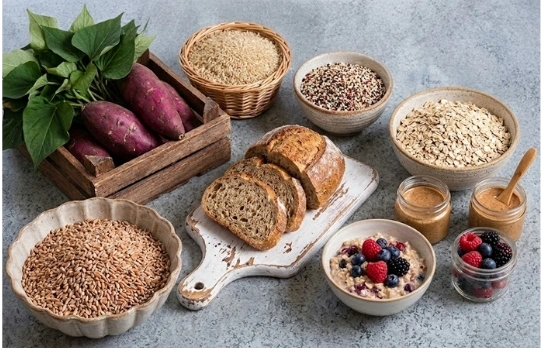
Before you mourn the loss of your bread basket, hear me out. Carbs are not the enemy, refined, low-nutrient carbs are just not pulling their weight anymore. On Ozempic, you want carbs that digest slowly, give you steady energy, and don’t cause blood sugar spikes that leave you exhausted.
The carbs worth your limited stomach real estate:
- Oatmeal — one of the best breakfast choices. Gentle, filling, and pairs beautifully with nut butter and berries.
- Quinoa — a complete protein and a complex carb. Overachiever behavior we respect.
- Brown rice or farro — in small portions, these are solid choices for sustained energy.
- Sweet potatoes — filling, nutritious, naturally sweet, and easy on the gut.
- Whole grain sourdough (in small amounts) — the fermentation process makes it gentler on digestion than regular bread.
What to minimize: white bread, pasta (especially in large portions), sugary cereals, and anything that spikes your blood sugar fast. Ozempic already slows digestion — pairing it with high-glycemic foods can make nausea worse and energy levels crash harder.
Healthy Fats for the Win
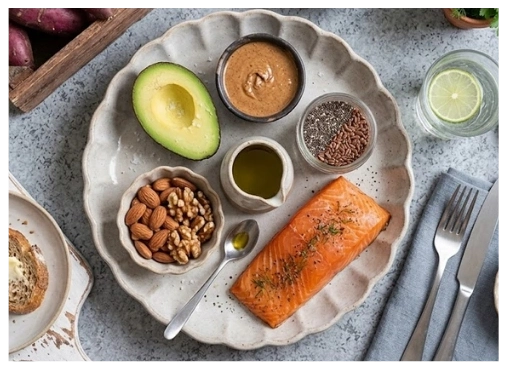
Fat is filling, nutrient-dense, and essential for absorbing fat-soluble vitamins. On a smaller-portion diet, healthy fats are your secret weapon for staying satisfied and energized.
Fat sources that earn their spot:
- Avocado (half at a time — rich but worth it)
- Olive oil
- Nuts and nut butters (small portions — calorie-dense but nutrient-rich)
- Chia seeds and flaxseeds (also great for gut health)
- Fatty fish (yes, again — it does so much)
Hard pass on: fried foods, heavy cream sauces, and fast food. High-fat meals slow digestion even further on top of what Ozempic is already doing, and the combo is a one-way ticket to nausea and discomfort.
Yes, You Can Have Treats (The Good Kind)

Who said a weight-loss journey had to be joyless? The key is choosing treats that satisfy without sending your blood sugar on a rollercoaster or triggering nausea.
Ozempic-approved indulgences:
- Dark chocolate (70%+) — a square or two genuinely satisfies a sweet craving, and the antioxidants are a bonus.
- Frozen banana “nice cream” — blend a frozen banana with a splash of almond milk and a spoon of peanut butter. Creamy, sweet, naturally satisfying.
- Berries with a dollop of whipped coconut cream — feels fancy, takes five minutes, and your stomach will not stage a protest.
- Chia seed pudding — make it the night before with almond milk and top with mango or raspberries. It’s dessert and gut health content.
- Protein-packed energy balls — oats, nut butter, honey, dark chocolate chips. You can batch-make these on Sunday and feel very organized and healthy all week.
The rule of thumb: real ingredients, not too much sugar, not too much fat. Treats should feel like a reward, not a recovery project.
The Bloat & Gas Situation (Let’s Talk About It)

Oh, the infamous Ozempic bloat. It’s real, it’s annoying, and it’s incredibly common. Because food moves through your system more slowly, gas can get trapped and build up. Here’s how to fight back:
Eat slow, chew more. This cannot be overstated. Slow eating reduces the amount of air you swallow and gives your slower digestion a fighting chance. Put the fork down between bites. You’re at dinner, not a speed-eating competition.
Small meals, more often. Three large meals can be overwhelming to a GLP-1-slowed stomach. Try 4–5 smaller meals or snacks throughout the day instead.
Avoid carbonated drinks. Sparkling water is delicious, but all those bubbles go somewhere and right now, that somewhere is your stomach. Stick to still water or herbal teas.
Peppermint and ginger tea are your new nightstand staples. Both have been shown to ease bloating and calm digestive discomfort. A warm cup after dinner is genuinely helpful and a cozy little ritual.
Probiotics and fermented foods — Greek yogurt, kefir, kimchi (in small amounts), and miso can help balance gut bacteria and keep digestion moving more smoothly.
Foods to watch for gas triggers: beans and lentils (introduce very slowly), cruciferous vegetables, raw onions, and artificial sweeteners (which can be sneaky gut disruptors).
Keeping Your Energy Up When You’re Eating Less

Fatigue is a common complaint on Ozempic, and it makes sense, you’re taking in fewer calories and your body is adjusting. Here’s how to fuel yourself properly so you’re not napping through your own life.
Don’t skip breakfast. Even if your appetite has ghosted you, try to eat something protein-forward within an hour of waking. A Greek yogurt parfait with berries and granola, or two eggs with avocado toast, can make a huge difference in how you feel by noon.
Stay hydrated. Ozempic can cause dehydration, especially early on when nausea is highest. Aim for at least 8 glasses of water a day. Add electrolytes if you’re feeling particularly wiped, look for low-sugar versions.
Don’t fear a small snack. A handful of almonds, a hard-boiled egg, or apple slices with peanut butter between meals can prevent the energy crash that comes from going too long without eating on a low-appetite medication.
Also Read:
- Anti-Bloat Daily Habits, Facial Exercises, and What Foods to Avoid
- Everyone’s On Ozempic: Weight Loss Secret of Celebrities