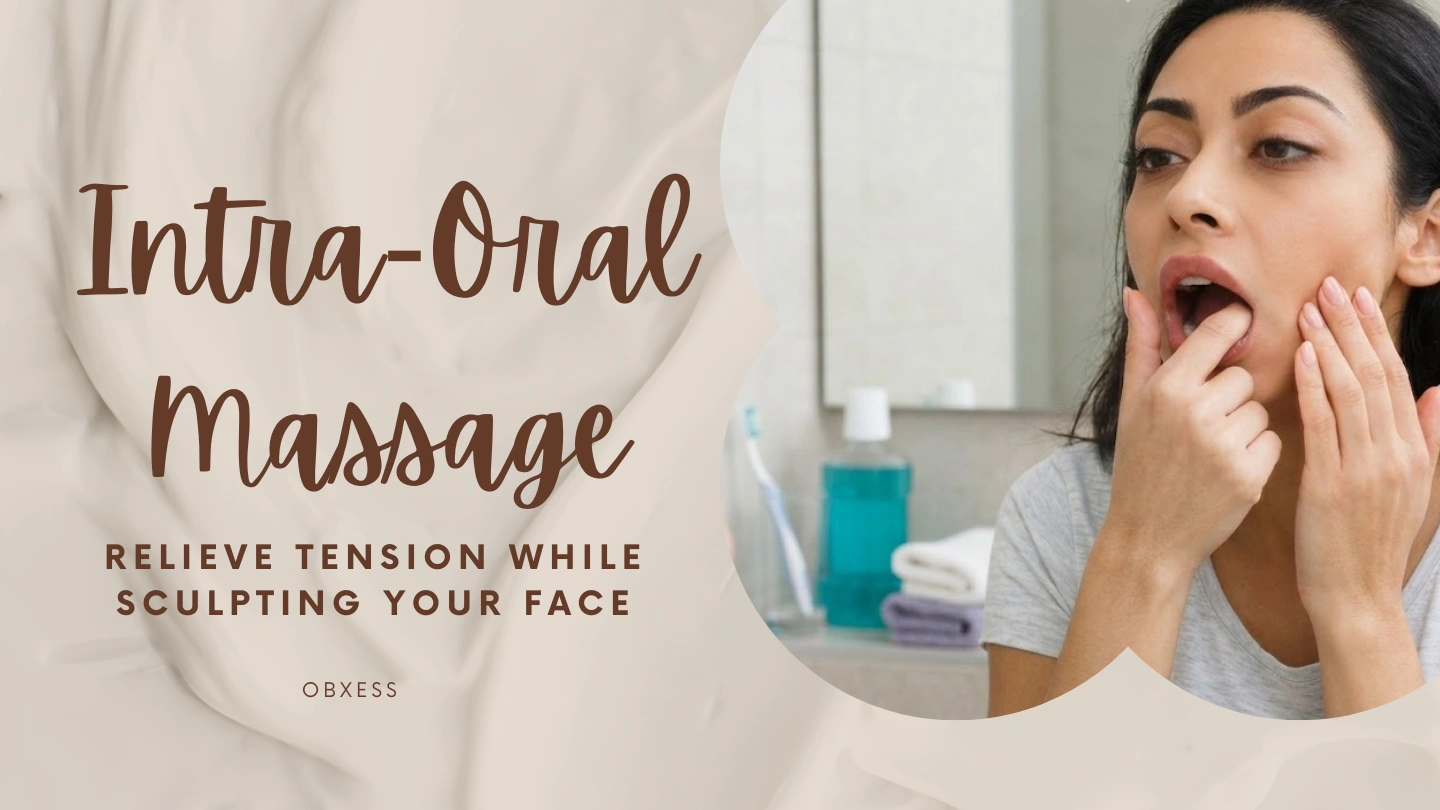
How to use intra-oral massage to relieve tension in your face while de-puffing and sculpting it. Information on professional and at home techniques.
When first hearing about intra-oral massage, my initial reaction was a very firm no. Fingers inside the mouth as a beauty treatment. It sounded a bit invasive, painful, and not to mention, gross.
But then I started hearing about it everywhere. Estheticians were calling it a natural face-lift. Women who’d been grinding their teeth for years were saying they finally felt relief. Skincare lovers were raving about their glowing, tightened skin post-treatment.

And now, it’s officially having a major moment, showing up on treatment menus at top spas, flooding beauty TikTok, and being dubbed by trend forecasters as the breakout facial of the year.
So I decided to actually look into it. And honestly? The more I learned, the more sense it made.
Here’s everything you need to know about intra-oral massage, the benefits, the techniques, what to expect, and how to dip your toes in at home.
What is Intra-Oral Massage?
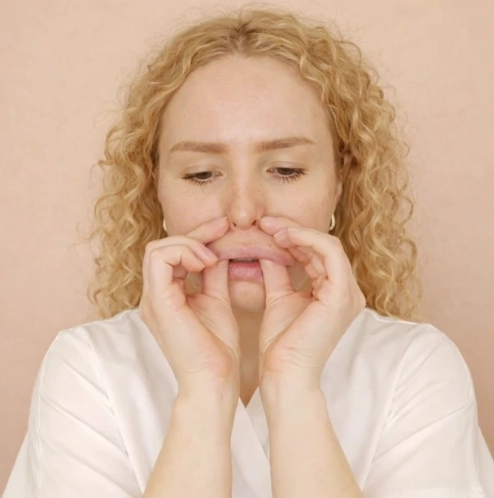
Intra-oral massage (sometimes called buccal massage, pronounced buckle) is a specialized manual therapy technique that works the muscles of the face from both the inside and outside of the mouth simultaneously. A trained therapist slips gloved fingers inside your cheeks and uses their other hand on the outside to sandwich and knead the deep facial muscles, muscles that are simply impossible to reach with a regular facial massage.
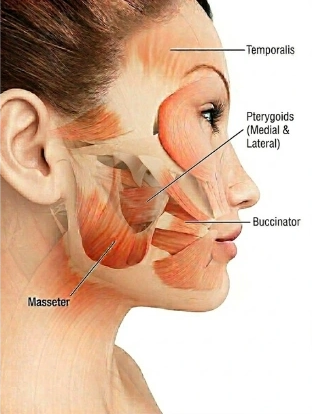
The key muscles being targeted are the masseter (your jaw muscle), the buccinator (the cheek muscle), the pterygoids (deep muscles that assist in chewing), and the temporalis (the muscle running along your temple). Together, these muscles do a staggering amount of work every single day, from talking, chewing, laughing, and swallowing to silently clenching your jaw during a stressful Zoom call.
When these muscles hold tension, and most of us are carrying far more than we realize, the effects ripple outward. Think jaw pain, tension headaches, puffiness, a dull complexion, and that heavy, tired look that no eye cream seems to fix. Intra-oral massage addresses all of this at the root.
Why Are We Carrying So Much Jaw Tension, Anyway?
Before we get to the good stuff, glowing skin, lifted contours, all of that, it helps to understand just how much the jaw holds for us. Stress, anxiety, and even suppressed emotion tend to settle in the jaw and lower face. Bruxism (teeth grinding), jaw clenching, poor posture, hours of screen time, and even the physical tension of talking on the phone with your shoulder can all contribute to a build-up of tightness that accumulates over years.
People who suffer from TMJ dysfunction (temporomandibular joint disorder) know this all too well, the aches, the clicking, the tension headaches that seemingly come out of nowhere. But even if you’ve never been officially diagnosed, there’s a decent chance you’re holding tension in your face right now without realizing it.
That chronic tightness isn’t just uncomfortable, it actively affects the way your face looks and ages. When muscles are stiff and contracted, they pull the skin downward, restrict blood flow, and impede lymphatic drainage. The result? Puffiness, uneven skin tone, and over time, accelerated sagging. Intra-oral massage works to reverse all of this.
Intra-Oral Massage Benefits, and There Are a Lot of Them
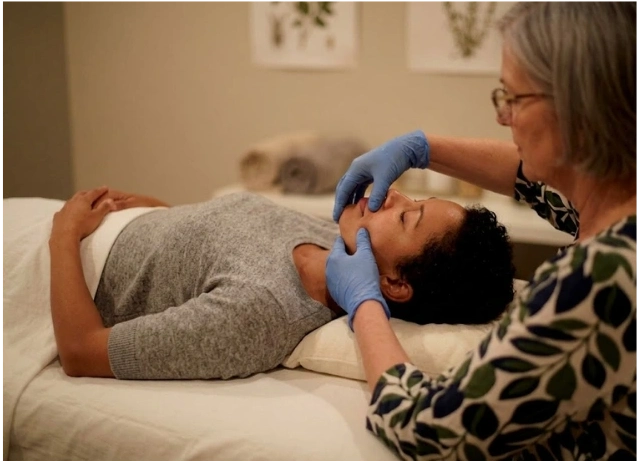
What makes intra-oral massage so unique is that it’s one of those rare treatments that genuinely straddles the line between therapeutic and aesthetic. The benefits aren’t just skin deep.
Instant Tension Relief
This is often the most immediate and dramatic result. For anyone dealing with jaw pain, TMJ discomfort, or chronic tension headaches, intra-oral massage can provide significant, fast relief. By directly working the masseter, pterygoid, and buccinator muscles, which can’t be adequately addressed from the outside, the therapy releases deep-seated tension that no amount of face rolling or gua sha can touch. Many clients describe feeling an almost full-body sense of relaxation as the jaw releases.
Improved Facial Circulation
When muscles are tight, they restrict blood flow. And when blood flow is restricted in the face, skin becomes dull, nutrient delivery slows down, and that coveted healthy glow becomes elusive. Intra-oral massage gets circulation moving in a way that topical products simply cannot. Increased blood flow brings a fresh supply of oxygen and nutrients to skin cells, which translates to a noticeably brighter, more radiant complexion, often visible immediately after a session.
Lymphatic Drainage and De-Puffing
Sluggish lymphatic flow is one of the main culprits behind morning puffiness, under-eye bags, and that puffy, inflamed look that no amount of sleep seems to fix. The inner cheek and gum areas have direct connections to major lymphatic drainage pathways, and massaging from the inside out helps stimulate fluid movement from deep facial pockets outward to the drainage nodes. Think of it like clearing a traffic jam in your tissue, once things are moving, the puffiness drains, and the face looks visibly more sculpted and defined.
Natural Lifting and Facial Sculpting
This is the beauty benefit that has everyone talking. When the muscles that pull the face downward are released and retrained, the result is a natural lifting effect, firmer cheeks, a more defined jawline, and sharper cheekbones. No fillers, no needles, no downtime. Think of it like a workout for your face: the muscles tone up, the skin has more support, and everything looks a little more lifted and awake. Many people notice a visible difference after just one session, though consistent treatments yield the most dramatic results.
Better Skincare Absorption
Here’s a bonus that skincare enthusiasts will love: when the face is free from muscular blockages and inflammation, your products can actually penetrate more effectively. The serums and moisturizers you’re already spending money on work better when your skin’s circulation is optimized and the tissue underneath isn’t congested. Consider intra-oral massage the ultimate prep work for your skincare routine.
Improved Sinus Health
This one surprises most people. Because the massage works the muscles and tissue around the sinus cavities, it can help alleviate congestion and improve sinus drainage. For anyone who deals with chronic sinus pressure or that constant stuffy feeling, the relief can be genuinely unexpected and welcome.
Mental and Emotional Release
This is the one that practitioners talk about quietly but meaningfully. The jaw is deeply connected to how we process and store stress and emotion. Some clients report unexpected emotional releases during intra-oral massage, not in a dramatic way, but a sense of relief, lightness, or even the urge to cry. The jaw is where many of us brace against the world. Releasing it physically can create a genuine psychological shift.
What Does a Professional Session Actually Look Like?
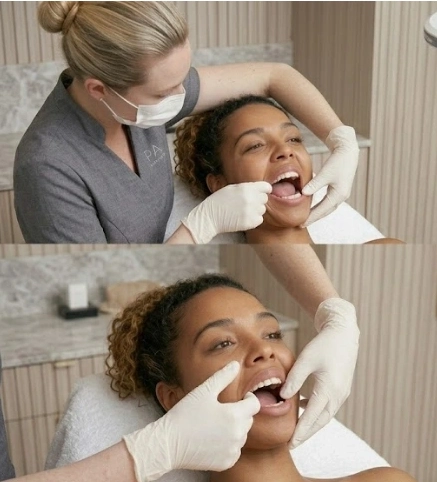
If you’re picturing someone just sticking their fingers in your mouth, it’s much more nuanced and graceful than that.
A session typically runs between 45 and 60 minutes. It usually begins with the therapist warming up the neck, shoulders, and outer jaw with external massage to increase circulation and soften the muscles before the intra-oral work begins. This warm-up phase alone often feels incredible, think deep kneading along the jawline, lifting strokes up to the temples, and gentle neck work to get lymphatic fluid moving.
Once the muscles are primed, your therapist (wearing sterile gloves) will gently slide one or two fingers inside your cheek and use the other hand on the outside to simultaneously massage the tissue. They work in slow, deliberate movements, compressing, releasing, kneading, and stretching, targeting the masseter, buccinator, and pterygoid muscles. Some practitioners also incorporate gentle lip stretching and pressure along the inner gum line.
Yes, it feels a little strange at first, particularly if your jaw is very tight. Some people experience mild discomfort in the first session, especially around the masseter. But most describe it as deeply satisfying in the way that a good deep tissue massage is, the kind of “hurts so good” sensation that tells you something real is happening.
For ongoing results, practitioners typically recommend an initial series of five to ten sessions (weekly or bi-weekly), followed by monthly maintenance. That said, even a single session is worth experiencing, most people walk out looking visibly more lifted and feeling noticeably more relaxed.
Intra-Oral Massage At-Home Techniques
While nothing replaces working with a trained professional (especially for TMJ concerns or significant tension), a gentle at-home practice can be a great way to maintain results between sessions or simply get more familiar with your facial muscles. Here’s how to do it safely:
Step 1: Prep properly.
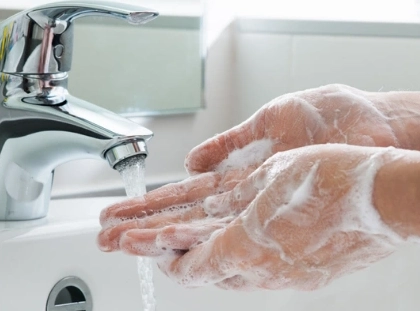
Wash your hands thoroughly. Apply a light facial oil or cleansing balm to your jawline and cheeks so your hands glide smoothly on the outside. Make sure your mouth is clean.
Step 2: Warm up the outside first.

Using your knuckles or fingertips, spend a minute doing slow, upward sweeping strokes from your chin to your ears, and from your jawline up to your cheekbones. This gets circulation moving and softens the muscles before you go deeper.
Step 3: Locate the masseter
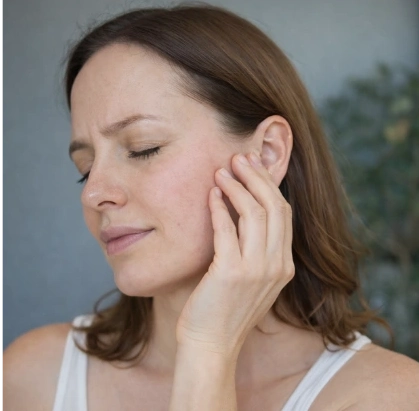
Clench your teeth gently and feel for the muscle that bulges just in front of your ear and along your jaw, that’s your masseter. Use your fingertips to apply firm circular pressure here for 30–60 seconds. Release, breathe, and repeat. This alone can create immediate relief if you carry tension in your jaw.
Step 4: Move intra-orally
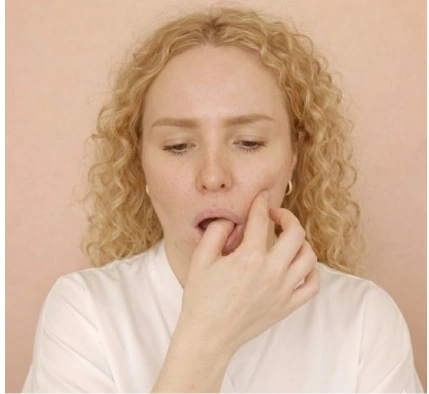
Gently insert your thumb inside your cheek. Using your index finger or your other hand on the outside, sandwich the cheek tissue between your finger and your external hand. Apply gentle pressure and move in slow circular motions, working from the back of the cheek toward the front near lips. Don’t press hard, this is about gentle release, not force.
Step 5: Massage the gum line
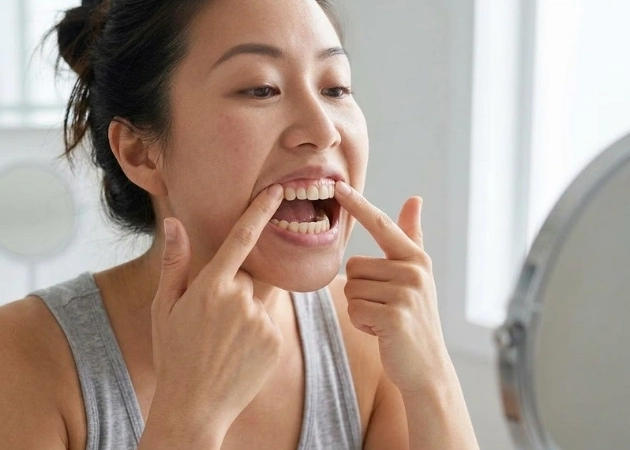
Using your index finger, apply gentle circular pressure along the gum line of your upper and lower jaw, moving from back to front, gently spreading your lips taut. Go from your back molars to the front of your mouth. This targets the buccinator muscle and helps stimulate lymphatic drainage along the inner cheek wall.
Step 6: Finish with lymphatic strokes

Always close with gentle outward sweeping movements from the center of your face toward your ears and down the sides of your neck toward your collarbone. This encourages the lymphatic fluid you’ve just moved to drain properly.
Aim to spend about 5–10 minutes total. Do this two to three times a week, ideally as part of your skincare routine, apply your serums and face oil right afterward when your circulation is at its peak and your skin is most receptive.
A Few Things to Know Before You Start
Intra-oral massage is safe for most people, but there are a few things worth knowing:
If you’ve recently had Botox or fillers, wait at least two weeks before booking a professional intra-oral session. The increased circulation can affect how injectables settle, so check with your injector first.
If you have active dental issues, open sores, or are recovering from oral surgery, skip the intraoral techniques until you’ve fully healed.
A skin detox is possible. Because intra-oral massage powerfully boosts circulation, some people experience minor breakouts or skin purging in the days following a session. This is normal, it’s your skin flushing out toxins that were previously stagnant. Double-down on cleansing and hydration in the days after.
And always, always, choose a qualified professional for in-office sessions. Intra-oral massage requires knowledge of facial anatomy and proper sanitary protocols. This isn’t the treatment to try with a generalist who learned it from a YouTube video.
Also Read:
- Gua Sha – The Chinese Beauty Secret To Tighten Skin
- Anti-Bloat Daily Habits, Facial Exercises, and What Foods to Avoid