
Fashion bans sound absurd and archaic at first. Who cares if someone wears lipstick, jeans, or long hair? But across history, people have been fined, arrested, beaten, and even killed for what they wore. These weren’t just quirky rules; they were laws and social codes with very real consequences.
From skirts torn off women in the street to rock bands barred from playing because of their hair, these bans from the past and more even more modern times show just how much power style can hold.
The Wildest Fashion Bans in History
Mini-Skirts Outlawed in Uganda
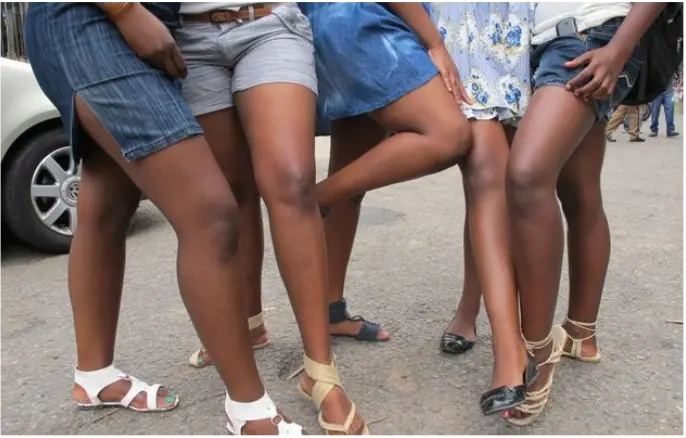
To start off the wildest fashion bans in history, when Uganda’s Anti-Pornography Act was passed in 2014, it ignited chaos. Police interpreted the law as a direct ban on mini-skirts, and mobs took justice into their own hands. Dozens of women reported being attacked in public. Videos surfaced of crowds yanking skirts off women on buses and streets while bystanders cheered.
Women protested in Kampala, marching in the same mini-skirts that had triggered assaults. The hashtag #SaveTheMiniSkirt trended across Africa, sparking global media attention. Uganda’s government later backpedaled, claiming the law was about “pornography,” not skirts, but for months the violence continued. Survivors described being humiliated, beaten, and traumatized simply for their clothing.
High Heels Outlawed in Ancient Greece
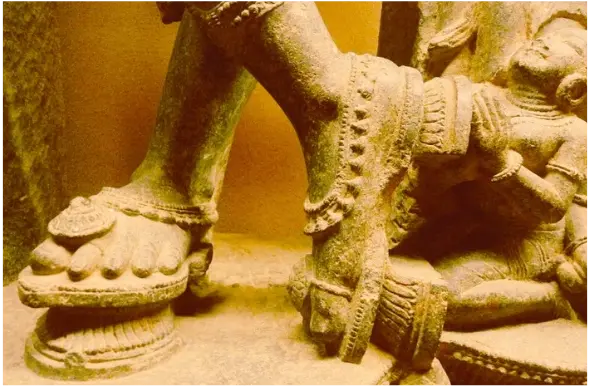
Courtesans in ancient Greece often wore high wooden platform sandals, called “kothorni,” that left words imprinted in dirt roads: messages like “Follow Me” aimed at potential clients. Authorities, threatened by the open solicitation, outlawed certain heel styles for sex workers, arguing that it blurred public order and morality.
The law was hard to enforce, but excavations have uncovered actual carved footwear with those messages, showing how widespread the practice was. The restriction wasn’t about safety — it was about silencing one of the earliest forms of advertising and trying to regulate women’s sexuality through fashion.
Black Clothing Banned in Tajikistan
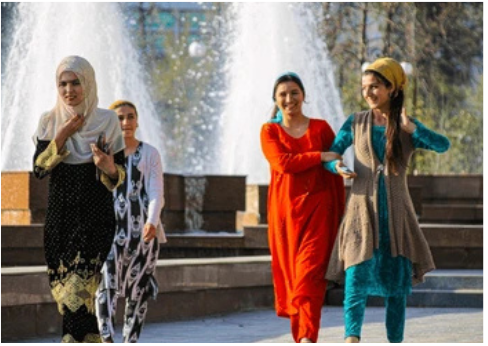
In 2024, Tajikistan’s government moved to outlaw black clothing, tight dresses, and sheer fabrics for women, claiming the styles were “foreign” and “un-Islamic.” Officials framed the ban as protecting cultural traditions, but for many citizens it was yet another attempt to police personal choice. Civil servants were warned they could lose their jobs if they disobeyed, and police were authorized to stop women in the street for wearing the wrong colors.
The law followed years of crackdowns on hijabs and other Islamic attire, sparking outrage among women who felt stripped of both fashion freedom and religious expression. Videos circulated of officers harassing shoppers in bazaars, demanding they remove black scarves or dresses. Human rights groups condemned the ban as state overreach, but inside Tajikistan, compliance was often forced.
Jeans Banned in North Korea
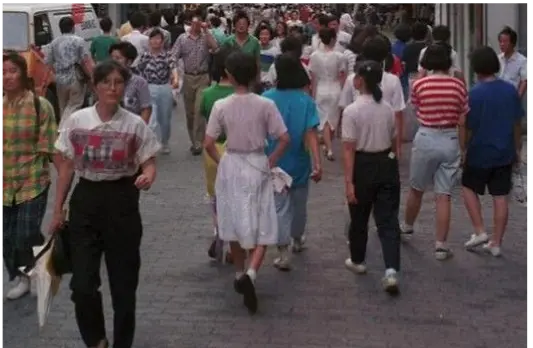
It’s no surprise North Korea is on the wildest fashion bans list. In North Korea, denim was considered an enemy fabric. Since the 1990s, authorities have equated jeans with “American imperialism.” Citizens caught wearing them risk fines, detention, or confiscation of the pants on the spot. Ripped jeans are especially suspect, seen as both decadent and rebellious.
Reports from defectors described underground denim trade along the Chinese border. Some teens dyed their jeans black to slip under the radar, while others pay bribes to local officials. While the regime has loosened up its policy on denim jeans these days, they’re now tackling another jeans-related problem with rebellious teens wearing “decadent”, “sinful” skinny jeans.
Baby Hair Edges Ban in Jamaica
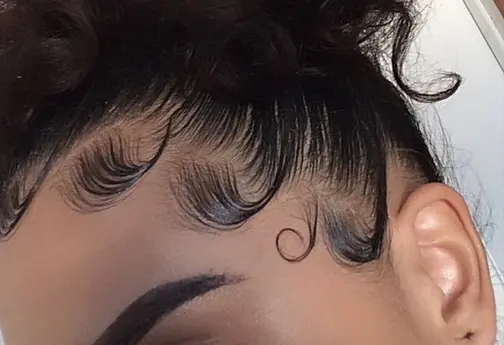
When St. Andrew High School for Girls in Kingston, Jamaica, banned students from wearing edges (the sleek baby hairs styled along the forehead) the backlash was immediate. The school’s Instagram post declaring “Curtains belong in the house, not on foreheads” sparked outrage. Parents and students flooded social media with criticism, calling the rule outdated and unfair, while a few defended it as necessary for maintaining the school’s image.
Founded nearly a century ago on Christian values, the school says its grooming rules encourage discipline and excellence. Critics argue there is no connection between slicked baby hairs and academic performance and call it yet another example of policing Black girls’ natural hair instead of focusing on education.
Ruffled Collars Restricted in Elizabethan England
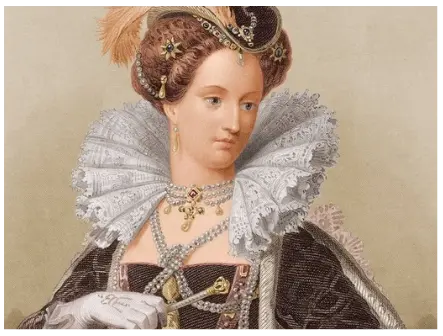
In the late 1500s, England’s upper classes competed to see who could wear the largest lace ruff — those stiff, starched collars that ballooned out like lampshades. Some ruffs were so big they required wire frames and made it impossible to eat without an assistant. Queen Elizabeth I eventually issued sumptuary laws capping their size.
The restrictions weren’t just about fashion excess; they reinforced class lines. Only nobles could wear ruffs above a certain width, and tailors caught making oversized collars for the lower classes faced heavy fines. Contemporary accounts even mocked men who tried sneaking into court in illegal ruffs, comparing them to “walking dinner plates.”
Men’s Long Hair Banned in Singapore
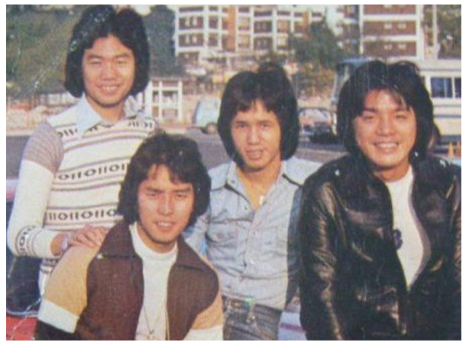
In the 1970s, Singapore’s “Keep Singapore Clean” campaign extended to men’s hair. Males with hair over their collars were barred from government offices, fined, or forced to cut it at police stations. Barbers were instructed not to serve “hippies” unless they agreed to trim, and restaurants even had signs that said men with long hair would be servedlast.
The policy famously caused international drama: rock bands like Led Zeppelin, The Bee Gees, and Deep Purple canceled Singapore concerts after being told they would need haircuts to perform. Newspapers printed mugshots of men before and after enforced trims as “examples” for the public. Though the rule faded by the 1990s, it left a long cultural scar linking hair length to morality.
Long Pointy Shoes Outlawed in Medieval Europe
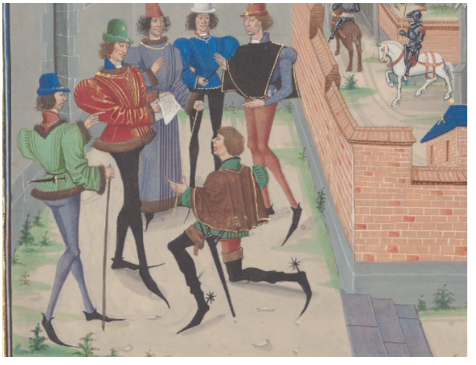
In 14th-century England and France, aristocrats flaunted absurdly long, pointy shoes called poulaines. Some stretched over 24 inches beyond the toes, curled upward, and had to be tied to the wearer’s leg with chains. They became such a hazard that men tripped in church aisles and knights couldn’t kneel in battle.
By 1463, England’s King Edward IV banned anyone below the rank of lord from wearing poulaines over two inches long. Priests ranted that the shoes were symbols of vanity and lust, while chroniclers noted men hiding their exaggerated footwear beneath cloaks to dodge inspectors. The ban lingered for decades, but the shoes remained popular among rebels and rogues.
Silk Forbidden to Commoners in Ancient Rome
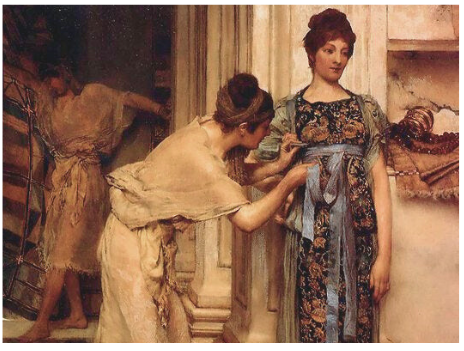
Roman senators and emperors adored imported Chinese silk, but by the 1st century AD, moralists were horrified. They claimed the sheer fabric corrupted women and drained Rome’s economy. Emperor Tiberius briefly banned men from wearing silk altogether, while later emperors passed laws forbidding commoners from owning it.
Despite the bans, silk became a smuggling obsession. Merchants unraveled bolts of the fabric to mix with cheaper fibers, and elite women flaunted translucent silk gowns that scandalized conservative writers. One senator complained that silk dresses were “nothing more than nets for catching men’s eyes.” The restrictions failed, but they show how luxury fabric threatened both morals and markets.
Yellow Clothes Banned for Commoners in Imperial China
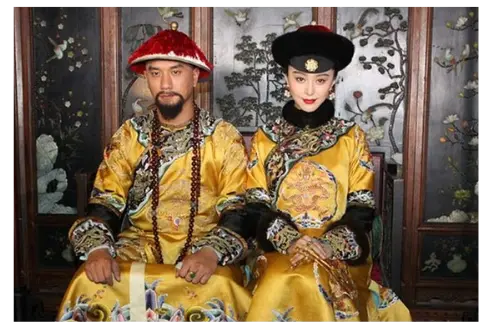
During the Ming dynasty, bright yellow was reserved exclusively for the emperor and his household. Ordinary citizens caught wearing it could be charged with treason. The rule was so strict that even decorative yellow patterns on robes risked punishment.
Officials inspected public ceremonies to ensure no one upstaged the throne. There are accounts of courtiers being stripped of garments at banquets if the shade appeared too imperial. The color law reinforced hierarchy — yellow symbolized heavenly authority, and letting others wear it was seen as diluting the emperor’s divine status.
Beards Taxed and Banned in Russia
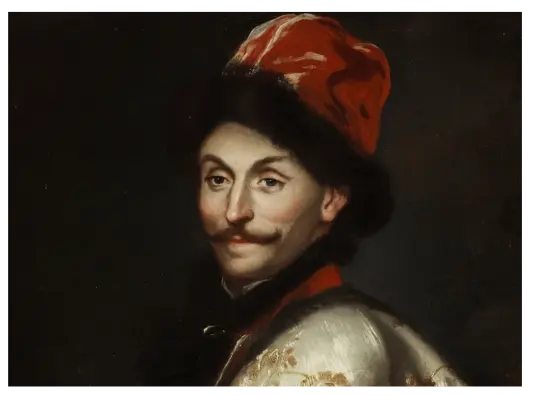
In 1698, Peter the Great launched a campaign to modernize Russia along European lines. One of his targets was the traditional Orthodox beard. Men who refused to shave had to pay an annual “beard tax” and wear a copper token proving they’d paid. The coins were engraved with a mocking phrase: “The beard is a superfluous burden.”
Police were authorized to shave men in public if they couldn’t produce their token. Religious leaders raged, claiming the ban was an assault on faith, since beards symbolized piety. Still, thousands of nobles submitted, and portraits from the era show the bizarre transition — a kingdom of freshly shaved aristocrats beside stubborn peasants clinging to their facial hair.
Trousers Banned for Women in Paris
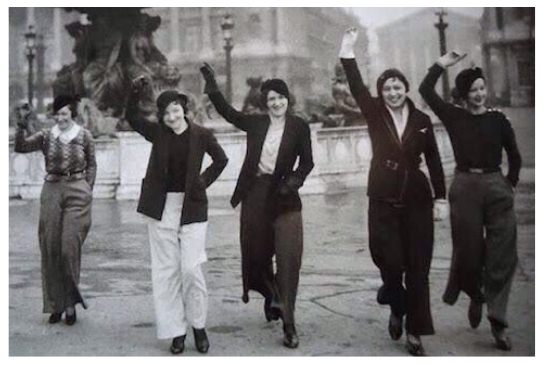
In 1800, Paris passed a law forbidding women from wearing pants unless they had official permission from police. The ordinance required women “wishing to dress as men” to obtain a medical certificate or special license. Ostensibly, it was about preserving public order, but it quickly became a tool of policing gender and class.
Though rarely enforced by the 1900s, the law technically stayed on the books for over 200 years. Women’s rights activists repeatedly called it out as archaic, and it wasn’t formally repealed until 2013. The fact that French women were legally “banned” from wearing trousers in the capital until the 21st century remains one of fashion’s strangest holdovers.
Shorts and Miniskirts Banned in 1970s Sudan
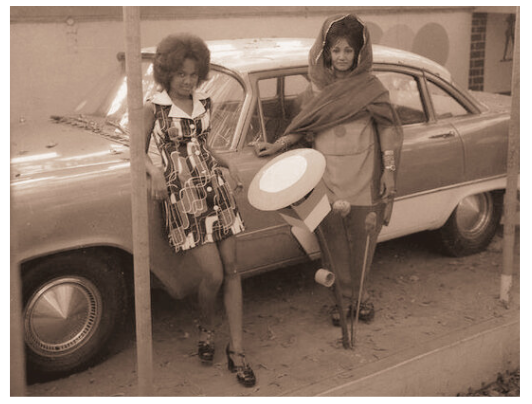
In the 1970s and 80s, Sudan’s Islamist government cracked down on “Western dress.” Women wearing short skirts or men in shorts could be publicly whipped. The morality police targeted university students in particular, raiding campuses and arresting women with bare legs.
Court records detail women sentenced to lashes for wearing skirts just above the knee. Many fled into exile, and the laws fueled underground fashion markets where young women bought contraband miniskirts smuggled from Europe. The bans set the stage for decades of legal battles over women’s dress in the country, with activists still fighting echoes of those rules today.
Hair-Length Laws in 1970s Thailand
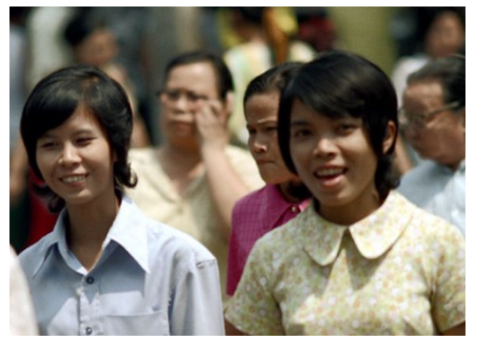
In 1975, Thailand’s Ministry of Education introduced strict grooming rules for students under military rule. Boys were required to keep their hair cropped short, often shaved above the ears, while girls could wear only ear-length bobs. Teachers patrolled schools with scissors in hand, ready to cut hair on the spot if it was deemed too long.
The policy was meant to enforce discipline and tidiness, but it quickly became a flashpoint for youth resistance. By the late 1970s, students were openly protesting what they saw as authoritarian overreach, with underground publications mocking the so-called “hair police.” When the rules were eventually relaxed, the change became symbolic of broader democratic reforms in Thailand, proof that even haircuts could spark political rebellion.
Lipstick Ban in Colonial America
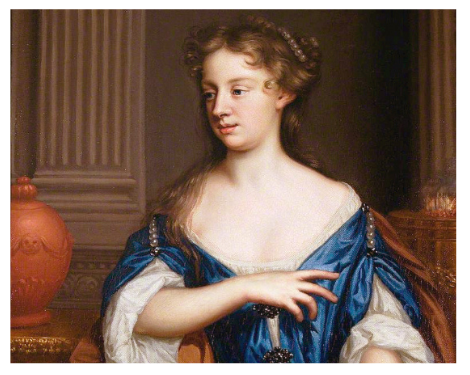
Puritan leaders in 17th-century New England saw lipstick as witchcraft. In some towns, women accused of painting their lips were dragged before courts and forced to confess. A 1650s statute in Massachusetts allowed marriages to be annulled if a man claimed his wife had deceived him with makeup.
Accounts survive of women whipped or fined for “red lips” during public punishments. Ministers railed against cosmetics in sermons, calling them “tools of harlotry.” At the same time, England’s upper class — including Queen Elizabeth I — flaunted heavy makeup, creating a bizarre cultural divide where the same product meant either royalty or damnation depending on geography.
Crop Tops Banned in Korean Schools
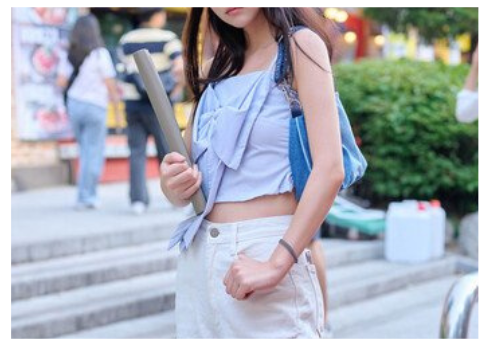
South Korean schools enforce notoriously strict dress codes. Girls wearing crop tops under cardigans or jackets have been pulled from class and forced to change. Teachers have even taped paper or cloth across students’ stomachs if they refused to cover up.
The controversy hit headlines in 2021 when videos of students protesting cropped shirts circulated online. Teenagers accused schools of “body-shaming” and treating girls unfairly compared to boys, who faced no equivalent restrictions. Despite national conversations about reform, many schools continue to suspend students for exposing their midriff.
France’s Headscarf Ban
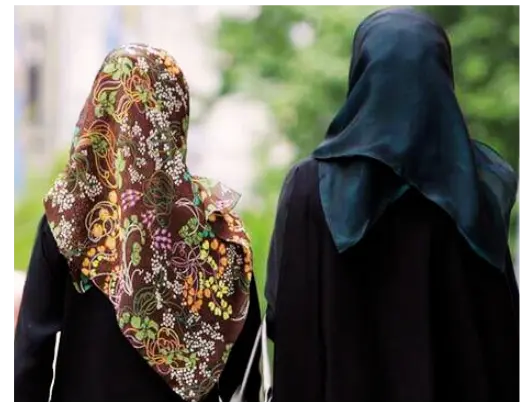
France’s 2004 law banning “conspicuous religious symbols” in schools disproportionately targeted Muslim girls. Hundreds of students were expelled in the early years for refusing to remove their hijabs. By 2010, a new law prohibited burqas and niqabs in all public spaces, with fines of up to €150.
International backlash was swift. Human rights groups condemned the policy, and UN investigators argued it violated freedom of expression. In France, women wearing niqabs reported being harassed in the street by police and civilians alike, while far-right groups praised the law. The bans continue to fuel protests and lawsuits over religious freedom.
Banned Hairstyles in Japan

Japanese schools long enforced “burakku kōsoku,” or “black rules,” requiring students to have natural black hair. Students with brown or lighter hair had to carry proof from childhood photos or be forced to dye it. One Osaka teenager sued her school after being ordered to dye her naturally brown hair black weekly; her scalp became burned, and she eventually dropped out.
Other rules banned ponytails (said to “distract boys”), perms, and bleached or curled hair. Students reported teachers cutting hair on the spot during inspections. Public outrage grew after investigative reports in 2017, and by 2022, Tokyo formally abolished most of the hair rules. Still, many rural schools quietly enforce them.
Makeup Banned in Iran
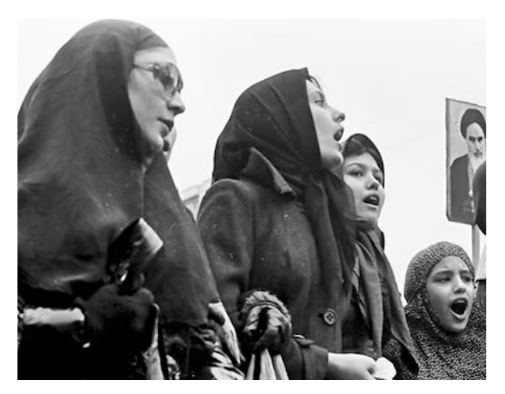
Following the 1979 Islamic Revolution, Iran’s morality police cracked down on makeup and fashion. Women caught with lipstick or eyeliner risked arrest, fines, and even public beatings. Officers patrolled parks, buses, and shopping centers specifically targeting teenage girls.
The ban drove a booming underground market. Beauty salons operated illegally in private homes, while smuggled Western brands sold at sky-high prices. By the 1990s, Iran had one of the highest cosmetic surgery rates in the world, particularly rhinoplasty. Bandages became so common on young women’s noses that they doubled as a wealth status symbol. Makeup bans didn’t kill beauty culture — they transformed it into a thriving shadow economy.
Also Read: