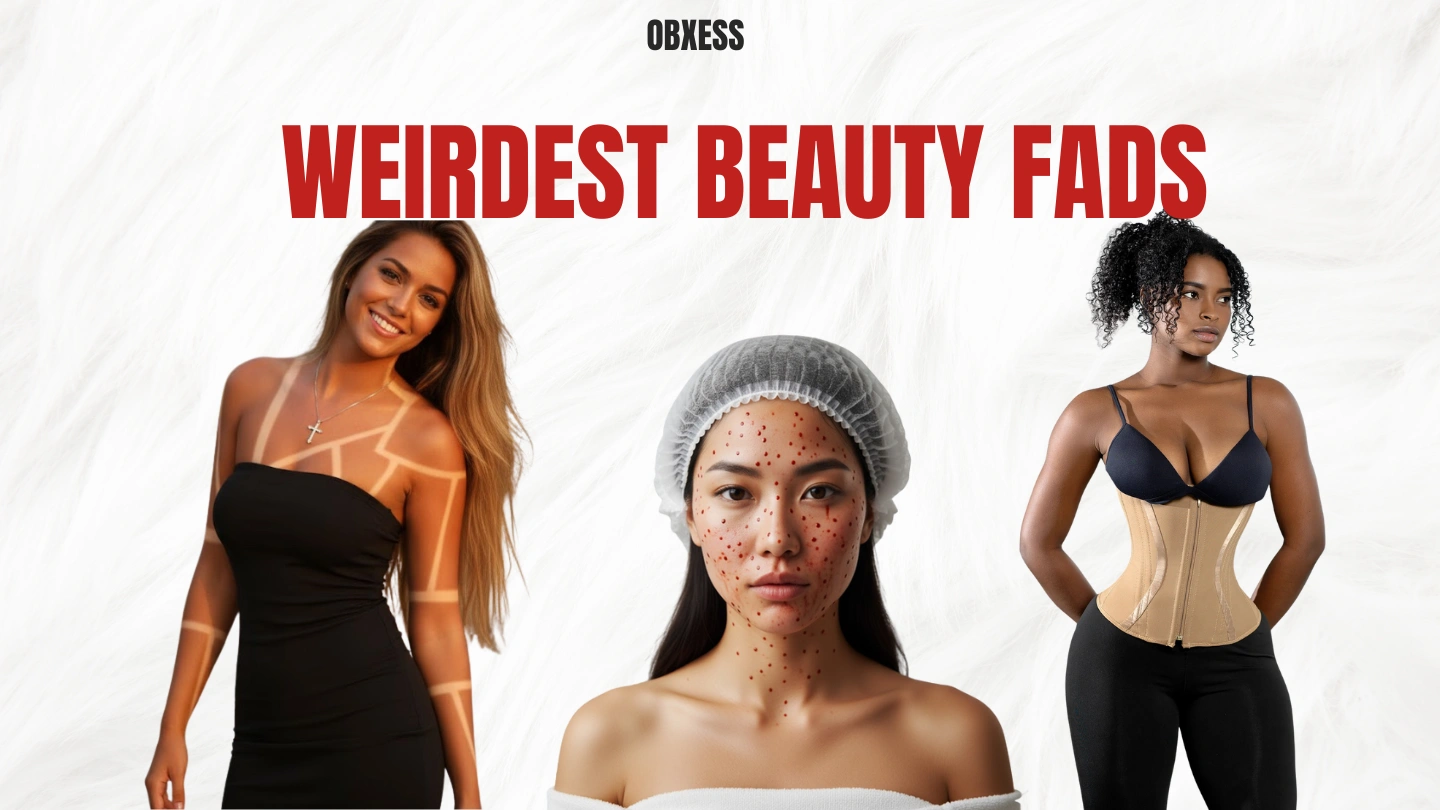
Beauty trends move fast, and sometimes they move straight into nightmare territory. What starts as a TikTok tip or celebrity endorsement can snowball into a full-blown fad that leaves women with chemical burns, infections, or just a whole lot of regret. From snail slime facials to literal fire treatments, here are some of the weirdest beauty fads women actually bought into, sometimes with terrifying results.
The Vampire Facelift That Went Viral
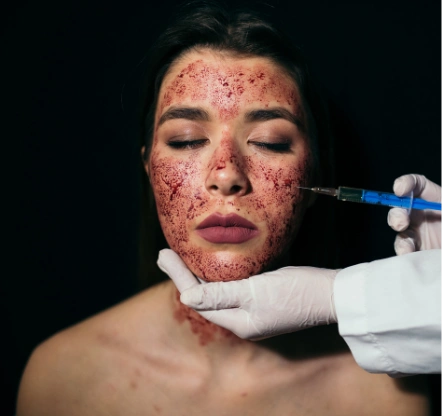
In the early 2010s, “vampire facials” became a luxury trend after Kim Kardashian posted a selfie covered in her own blood. The treatment involves drawing a client’s blood, spinning it down to extract platelet-rich plasma (PRP), and injecting it back into their face. Supposedly, it stimulates collagen and creates a youthful glow.
But in 2018, a spa in Albuquerque, New Mexico made headlines when two women tested positive for HIV after undergoing the procedure there. The clinic had reused needles and failed to properly sanitize equipment, turning a high-end fad into a health nightmare. The owner eventually pled guilty to practicing medicine without a license, and the case became a warning about the dangers of chasing extreme treatments without vetting the provider.
Glitter Pills You Can Poop Out
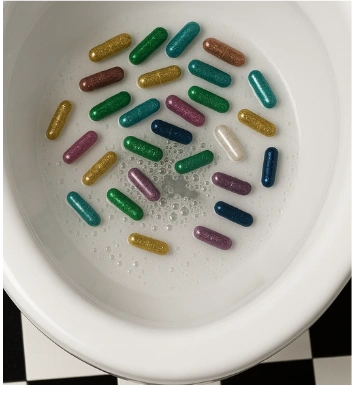
It sounds like satire, but in 2015, several online retailers started selling “glitter pills”, gel capsules filled with edible glitter, advertised as a way to make your poop sparkle. The fad was pushed on Tumblr and Instagram as the ultimate quirky self-expression, with hashtags like #SparkleSh*t.
Doctors quickly warned that swallowing non-digestible glitter could cause serious digestive issues, especially when some sellers weren’t even using edible materials. Still, influencers and curious buyers ordered them, turning an obvious joke into a real (and very unhealthy) beauty fad. Thankfully, the trend fizzled out, but not before a few stomach aches and hospital trips.
Snake Venom Facials
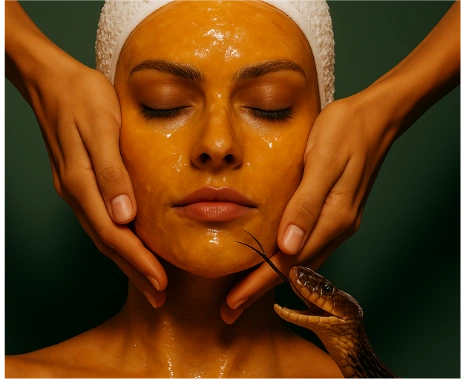
In 2013, snake venom facials blew up after being touted as “nature’s Botox.” Spas in London and New York advertised creams and serums containing a synthetic version of snake venom peptides, claiming they could freeze wrinkles without needles. Celebrities like Gwyneth Paltrow and Victoria Beckham were rumored fans.
But dermatologists quickly debunked the miracle claims, noting that the concentrations were far too low to have any real effect. Worse, some women reported allergic reactions, with swelling, rashes, and painful welts. What was pitched as a luxurious, exotic alternative to Botox ended up being an overpriced moisturizer with a dangerous gimmick.
Fire Facials in China
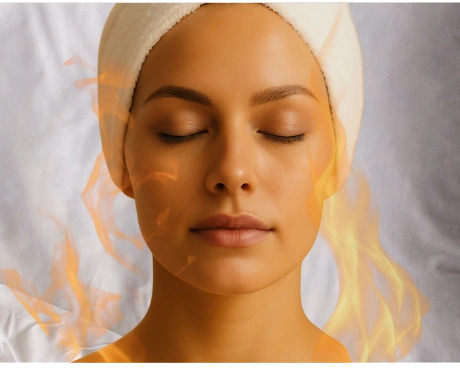
Few treatments sound as terrifying as setting your face on fire. Yet in parts of China and Thailand, “fire facials” became a wellness craze in the mid-2010s. The process involves soaking a towel in alcohol, placing it on the client’s skin, and then lighting it on fire for a few seconds before quickly extinguishing it. Practitioners claimed it could stimulate the skin, fight dullness, and even burn away fat.
Videos of women calmly lying on massage tables while flames danced across their faces went viral. But medical experts warned the obvious: fire + alcohol + skin = disaster waiting to happen. Reports of burns and hospitalizations followed, with some victims left scarred for life. Still, some spas continue to offer it, banking on the thrill factor more than the science.
Bird Poop Facials
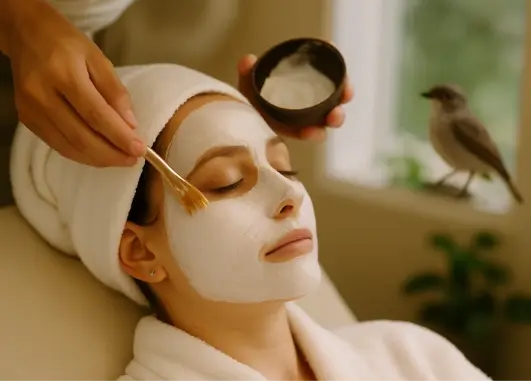
Known as the “Geisha Facial,” this bizarre treatment uses sterilized powdered nightingale droppings mixed into a paste that’s applied to the face. High-end spas in New York and Beverly Hills charged hundreds of dollars for it, promising brighter, smoother skin thanks to natural enzymes. Celebrities like Victoria Beckham were reported fans.
While the treatment technically worked as an exfoliant, many dermatologists dismissed it as overpriced nonsense. And let’s be real, smearing bird poop on your face, no matter how sterilized, is a tough sell. Still, enough people tried it to keep the fad alive, proving there’s no limit to what women will try in the name of beauty.
Sunburn Tattoos

In 2015, a disturbing trend swept across Europe and the U.S.: “sunburn tattoos.” People would place a stencil of a design, like a heart or star, on their skin and then tan or burn around it, leaving the stencil area pale while the surrounding skin turned tanned. The result was a temporary “tattoo” burned into the skin, Think of it as extreme, intricate tan lines.
Dermatologists immediately slammed the fad, warning it could cause long-term skin damage and increase cancer risk. Still, the hashtag #SunburnTattoo went viral on Instagram for a summer before disappearing, leaving behind a lot of regret (and a lot of aloe vera sales).
Tape for Instant Facelifts

In the 1980s, stage actors quietly used facelift tape to tug their skin tighter before performances. Fast forward to the Instagram age, and it blew up as a DIY hack for women who wanted a snatched jawline without surgery. Influencers posted tutorials using adhesive strips hidden under hair to pull back cheeks and brows.
The catch? Dermatologists warned that repeated use can cause irritation, sagging, and even permanent skin damage. In 2021, several TikTok users went viral showing rashes and torn skin after wearing facelift tape too long. What looked like an instant glam fix turned into weeks of painful healing.
Waist Trainers

When influencers like Kim Kardashian and Keisha Ka’oir started promoting waist trainers around 2014, sales skyrocketed. The corset-style devices promised to “train” the body into an hourglass figure if worn daily. Fitness influencers and everyday women alike flocked to them, convinced they’d shrink waists without diet or exercise.
But by 2016, doctors were speaking out, pointing to women who’d ended up with bruised ribs, fainting episodes, and even organ compression. A 2019 report in The New York Times detailed ER visits linked to waist trainer misuse. The fad didn’t just fail to deliver lasting results, it actively endangered the women who bought in.
The Fish Pedicure Ban
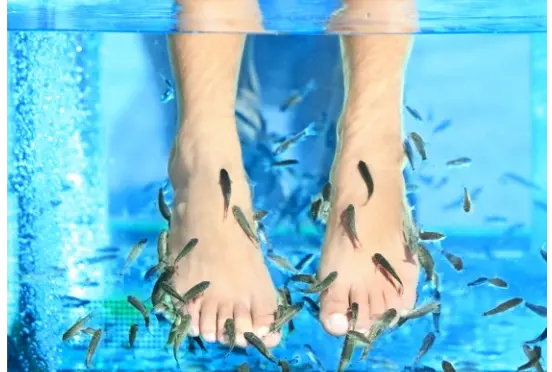
For years, fish pedicures, where tiny Garra rufa fish nibble dead skin off your feet, were marketed as quirky spa experiences. Celebrities like Kendall Jenner tried them, and Instagram was filled with photos of women giggling as their toes dangled in tanks.
But in 2018, the CDC issued warnings after multiple women developed infections and even lost toenails due to bacterial contamination. Some cases were linked to serious conditions like hepatitis and staph. States including Texas and New York outright banned the practice. What started as a fun Instagrammable moment turned into a painful reminder that sometimes, you shouldn’t let animals do your exfoliating.
Charcoal Detox Everything
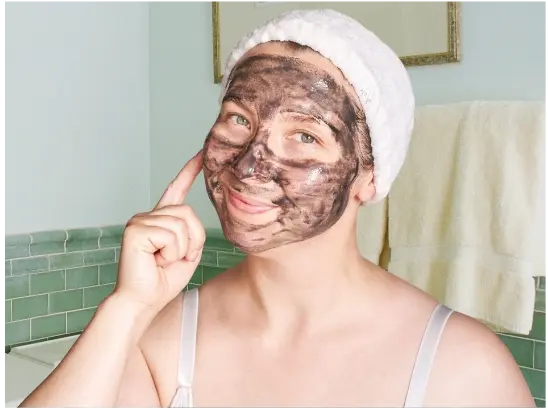
Charcoal wasn’t new, but around 2016 it turned into an all-consuming fad. Suddenly there were charcoal toothpastes, face masks, juices, and even ice creams. Influencers swore it could “detoxify” the body and whiten teeth, while celebrities like Shailene Woodley admitted to eating clay and charcoal for “natural health.”
Dentists quickly raised alarms. The abrasiveness of charcoal toothpaste wore down enamel, making teeth more yellow over time, not whiter. Meanwhile, charcoal juices did little more than drain wallets, and in some cases interfered with medications by binding to them. What was marketed as “nature’s purifier” became another case of style over substance.
Leech Therapy Comeback
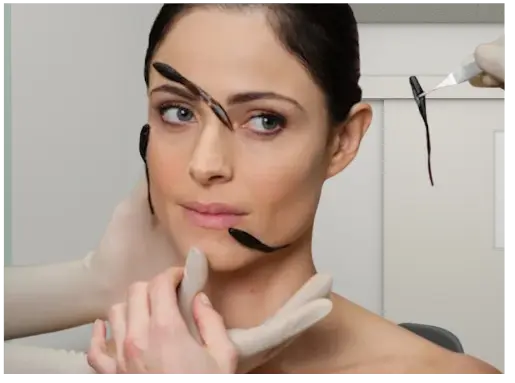
Leech facials might sound medieval, but they briefly returned to the spotlight in the 2000s when Demi Moore swore by them for youthful skin. Women paid hundreds of dollars at luxury spas where leeches were applied to suck blood, then their secretions were smeared back onto the skin.
Beyond the obvious ick factor, medical experts warned that non-sterile leeches could spread infections. A 2016 case in The Journal of Clinical Medicine documented women hospitalized with bacterial infections after “leech therapy.” Even with celebrity backing, it proved some fads are best left in history books.
How to Avoid Falling for Beauty Fads That Hurt
The appeal of beauty fads is obvious, they promise instant results, celebrity approval, and something “different” to brag about. But chasing the next weird treatment can lead to more harm than good.
- Research beyond the hype. Don’t rely on influencer posts. Look up actual medical studies or dermatologist reviews.
- Check licensing. If a spa or provider can’t prove they’re certified, walk away.
- Avoid DIY extremes. Strong chemicals, needles, and flames are best left to professionals (or not at all).
- Remember: if it sounds insane, it probably is. Glitter poop and snake venom creams should raise immediate red flags.
- Stick to proven basics. Sunscreen, moisturizer, and retinoids do more than most trends ever will.
Also Read: