
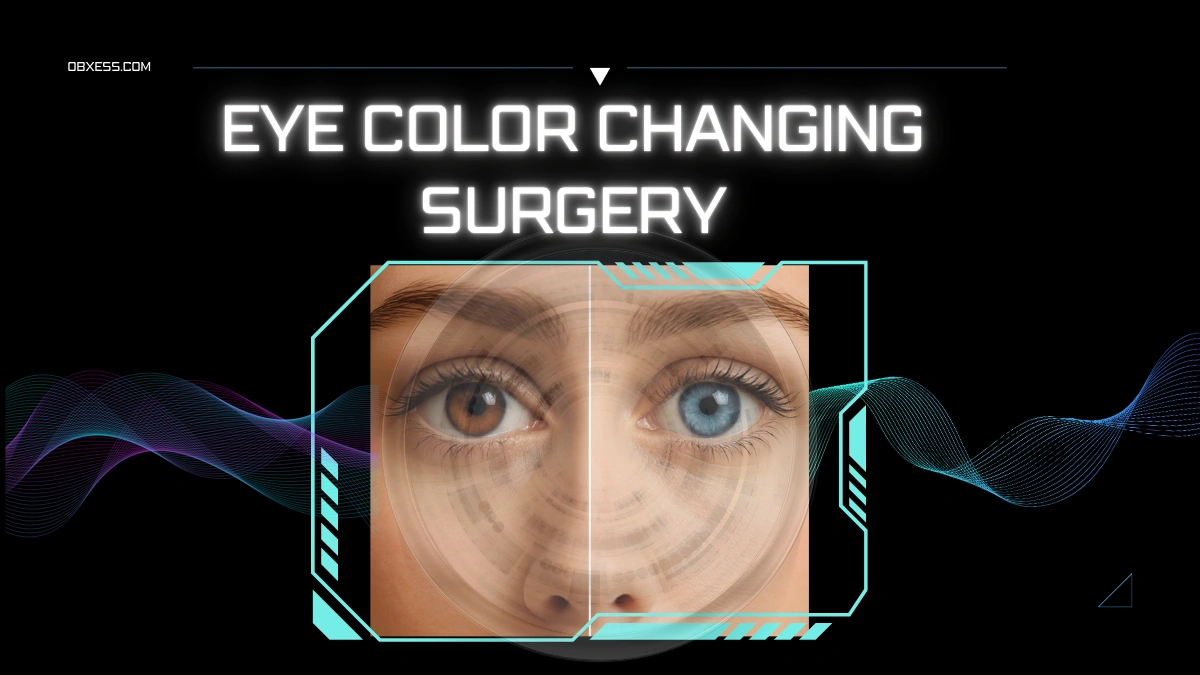
You’ve probably scrolled past one by now. A TikTok of someone blinking through watery, red eyes, whispering, “new eyes, new me.” One week they had brown eyes, the next they’re icy blue, and they swear it’s not contacts. It sounds futuristic, like something out of a sci-fi movie, but it’s real. Eye color changing surgery is the latest extreme beauty trend people that people are willing to endure the risk to get the eye color of their dreams.
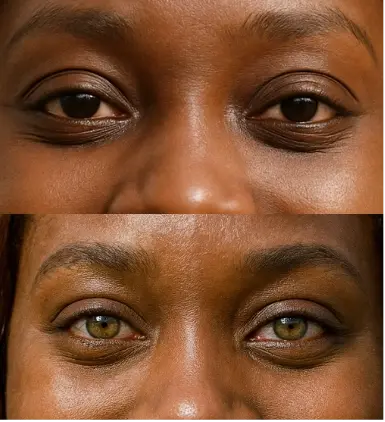
The promise is simple: wake up with the eye color you’ve always wanted. The reality is… complicated. They’ve gone viral, but they’ve also raised some serious questions about safety, risk, and the lengths people are willing to go for a new look. Here’s everything you need to know before you decide whether those blue eyes are worth the buzz, or the blindness.
What is Eye Color Changing Surgery
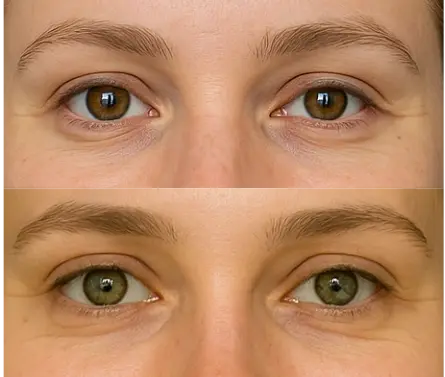
Eye color changing surgery refers to a few different procedures that alter the visible color of the iris or cornea. The most common is called keratopigmentation, sometimes nicknamed corneal tattooing. In this procedure, a surgeon uses a precision laser to create a microscopic pocket in the cornea, which is the clear dome at the front of the eye, and injects specialized pigment into that layer.
The pigment imitates the look of a natural iris, creating a believable new shade. It doesn’t bleach or remove your natural pigment; it simply alters how light passes through the cornea so your eyes appear to be a different color.
Another option is iris implant surgery, which was originally developed to help people who had lost part of their iris or had serious eye trauma. For cosmetic use, a thin silicone implant shaped like an iris is folded, inserted through a small incision, and then placed over the natural iris.
It’s dramatic and immediate, but also invasive and controversial because it involves opening the eye.
There’s also laser depigmentation, which uses focused light to break down melanin in brown eyes so they appear lighter over time. This is newer and still considered experimental in most places.
How Eye Color Surgery Is Done and The Cost
Keratopigmentation
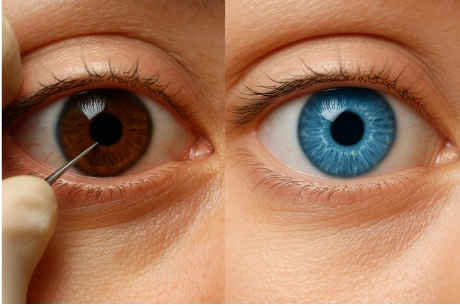
For keratopigmentation, the process usually takes less than an hour. The eye is numbed with drops, and a laser creates a small circular space within the cornea where the pigment is placed. The pigment is distributed to mimic natural iris patterns, and patients can typically go home the same day wearing protective sunglasses. There’s no general anesthesia or overnight hospital stay.
Keratopigmentation typically ranges from $8,000-$12,000 for both eyes, depending on where it’s done and who performs it. Some clinics charge more for specialized pigments or customized designs.
Iris Implant Surgery
Iris implant surgery is more complex. The surgeon folds a colored silicone disc, inserts it into the eye, and positions it over the existing iris. They must ensure that the implant doesn’t interfere with fluid drainage inside the eye, since that can lead to high pressure and permanent damage.
Typical iris implant surgery takes about 20 to 45 minutes per eye, or 40 minutes to an hour and a half for both eyes, and often cost $10,000-$15,000 for both eyes.
Laser Depigmentation
Laser depigmentation is less invasive and is typically done through multiple short sessions, each lasting about 15–30 minutes for both eyes. Most clinics schedule between 2 to 10 sessions depending on how dark the starting eye color is and how much pigment needs to be removed.
As for cost, estimates vary widely, but the total cost of laser eye color change in the ballpark of $5,000 to $9,000 USD for both eyes.
Eye Color Changing Surgery Healing and Recovery
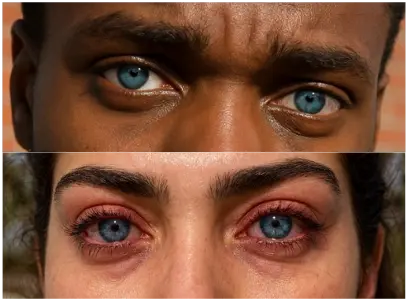
Keratopigmentation Recovery
- Most people experience watering, mild irritation, and significant light sensitivity for several days.
- The eyes may feel dry, gritty, or slightly sore as the cornea heals.
- Vision is often a bit blurry during the first few days due to swelling and ointments.
- Many patients return to normal routines in about one week, depending on sensitivity and comfort.
- Complete healing can take several weeks, as the cornea settles and inflammation fades.
- The final eye color becomes more consistent once the pigment fully stabilizes.
Iris Implant Recovery
- Recovery is longer and more delicate because the procedure takes place inside the eye.
- Swelling, elevated eye pressure, and inflammation are more common and must be monitored closely.
- Vision can fluctuate as the eye adjusts to the implant’s position.
- Patients must attend frequent follow-up appointments so the surgeon can check pressure, implant placement, and corneal health.
- Healing varies widely, but full stabilization often takes several weeks to a few months.
Laser Depigmentation Recovery
- Sunglasses, prescribed drops, and consistent aftercare remain essential throughout the process.
- Downtime is generally mild, since the procedure is non-invasive.
- Most people experience temporary light sensitivity or mild haze after each session.
- The eye color change happens gradually as melanin breaks down and fades.
- Multiple sessions are spaced out over weeks, and final results may take 1 to 3 months to fully appear.
Who Is a Good Candidate For Eye Color Changing Procedures

The best candidates are people with healthy eyes, realistic expectations, and a commitment to aftercare. You should not have glaucoma, corneal diseases, chronic dry eye, or active infections. A full eye exam is necessary to determine whether your eyes can handle the procedure safely. You should also understand that the result will vary with lighting and natural differences in your anatomy.
You may not be a candidate if you have any preexisting eye conditions or if your motivation is purely impulsive. A legitimate surgeon will perform detailed imaging, pressure tests, and vision assessments before approving you. If a clinic skips that step and just hands you a quote, take it as a warning sign.
Risks and Complications
Every type of eye color surgery carries risks. Keratopigmentation can cause uneven pigment distribution, infection, inflammation, or scarring that affects vision. Iris implant surgery has a much higher complication rate, including glaucoma, corneal damage, cataracts, chronic pain, and even permanent vision loss. If the implant needs to be removed, there is no guarantee that vision will return to normal. Laser depigmentation is less invasive, but it can lead to long-term sensitivity or color irregularities.
Many eye health organizations warn against undergoing cosmetic eye color change unless it’s medically necessary. The potential consequences can be lifelong. It’s crucial to fully understand the tradeoff between aesthetic results and the safety of your sight.
Other Things To Know About Eye Color Changing Surgery
Eye color comes from the amount of melanin in the iris and the way light scatters through it. Brown eyes have the most pigment, blue eyes the least, and green or hazel eyes fall in between. That means even small differences in lighting can make the same eyes look totally different. A person’s eyes might appear green outdoors and gray indoors simply because of how light reflects.
Most countries consider cosmetic eye color surgery experimental and none of the three methods mentioned are FDA approved for purely cosmetic reasons. Clinics that perform these procedures are allowed to do ‘off-label’ procedures, which are legal, or often operate abroad in places with looser regulations.
That means anyone considering it should be cautious about follow-up care. If a problem occurs after you fly home, it can be difficult to find a doctor willing to handle another surgeon’s complication.
Where To Get Eye Color Changing Surgery
The most well known clinics that offer eye color changing procedures:
KERATO Eye Color Change Clinic (New York & Miami)
Claims to be “the first safe eye-color change clinic in the Western Hemisphere.” Offers a “KERATO®” technique of keratopigmentation (pigment injected in cornea layer) to change eye color without implants.
Boxer Wachler Vision Institute (Los Angeles / Beverly Hills)
Offers a “ColorEyes™ Keratopigmentation” procedure to permanently change eye color, marketed as a minimally invasive treatment with various shade options.
NEORIS / FLAAK Platform (International)
NEORIS sells pigments and connects patients with partner clinics to perform FLAAK (femtosecond laser annular keratopigmentation) in the US and international locations. Offers a wide palette of colors and claims about 30-45 minutes for both eyes.
Manhattan LASIK Center (New York area)
The Manhattan LASIK Center offers a procedure called keratopigmentation (KTP) for changing eye color by placing pigments into the superficial cornea. The surgeon listed is Dr. Kevin Niksarli, who has decades of laser vision correction experience and is one of the few U.S. doctors reported to offer KTP for purely cosmetic purposes.
Clinica Eyecos (Barcelona)
Eyecos Clinic markets itself as a world-leading specialist in eye-color change. Their website states that they perform eye-color changing procedures primarily through laser iridoplasty and corneal pigment techniques in Barcelona.
Things to verify if you consider one:
- Confirm the surgeon is a board-certified ophthalmologist and has experience specifically in keratopigmentation or eye color procedures.
- Ask for full disclosure of risks, complications, and long-term follow-up data.
- Ensure you get pre-operative eye health screening (corneal thickness, intraocular pressure, etc).
- Understand the full cost (procedure + follow-ups + potential revisions).
- Check whether the clinic handles complications and where you will get follow-up if you travel.
The Bottom Line
Eye color changing surgery is real, but it’s not a casual beauty treatment. It can be life-changing when successful and devastating when it goes wrong. Procedures like keratopigmentation and laser depigmentation have become more precise and less invasive, but risks remain, especially with iris implants. If you ever consider it, make sure your motivation is genuine, your surgeon is experienced, and your expectations are grounded.
If you’re just curious about how you’d look with blue, green, or gray eyes, start with colored contact lenses. They’re reversible, inexpensive, and much safer. At the end of the day, the most beautiful eyes are the ones that see clearly and comfortably. Changing the color might sound glamorous, but protecting your vision will always be the real glow-up.
Also Read: