
Most things you buy have a markup. Fine. Expected. Part of the game.
But then there are the products that don’t just mark up… they almost seem to be testing your intelligence. The stuff that costs pocket change to make yet somehow ends up on shelves with price tags that make you question reality. Entire industries run on smoke, mirrors, branding, scarcity, and the secret they hope you never think about: you’re paying for everything except the actual cost to make it.
Here’s a deeper look at the everyday products with markups that’ll straight up make you feel ripped off, and why the gap between manufacturing cost and retail price is so huge.
Everyday Products With Markups and Their Real Cost
Designer Eyeglasses
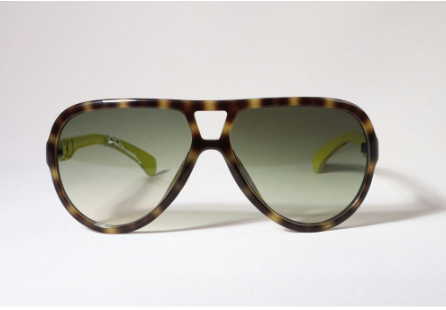
Most designer eyeglass frames cost around $5 to manufacture. The materials are inexpensive. Simple acetate, basic metal hinges, and lenses that are produced by the millions make the production cost incredibly low. Manufacturing is done in large overseas factories where automation and bulk production reduce cost even more.
So why do they retail for $200 to $500?
Because one massive corporation controls a huge portion of the eyewear market. They own brands, factories, distribution networks, and even retail stores. When one company controls the entire pipeline, they can set the price as high as they want. You’re not paying for materials. You’re paying for logos, licensing fees, marketing campaigns, and the illusion of exclusivity.
Bottled Water

A single bottle of water often costs just a few cents to produce. The plastic bottle is purchased in huge quantities for fractions of a cent and the water inside is usually tap water that has been filtered. The machinery that bottles it is extremely efficient and automated.
So why do you pay $2 or more for it?
Convenience and branding. People buy bottled water because it’s cold, portable, and available at the exact moment they need it. Companies build entire brands around the idea of purity and natural springs, even when the water comes from municipal sources. The markup is huge because the production cost is almost zero.
Cosmetics and Skincare

Most serums and moisturizers cost $2 to $4 to produce. The ingredients are inexpensive when purchased in bulk. Hyaluronic acid, glycerin, plant extracts, silicones, emulsifiers, and preservatives cost pennies per bottle. The formulas themselves are rarely expensive to make.
Yet these same products retail for $70 to $150 because the beauty industry is built on presentation and storytelling. Packaging, branding, lab testing claims, and influencer marketing cost far more than the formula. The entire price is tied to luxury positioning rather than the ingredients in the bottle. You’re paying for the identity of the brand far more than the product.
Phone Chargers and Cables
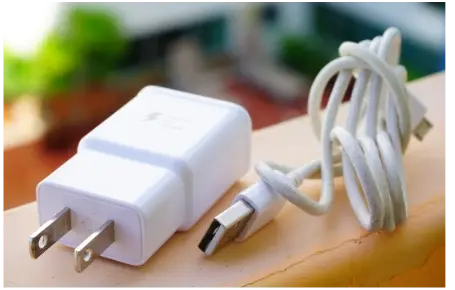
Chargers and cables typically cost $1 to $3 to produce. They are made of low-cost plastic, rubber, copper wire, and simple circuit boards. Factories can produce millions of them at a time.
Retail prices jump to $15 to $40 because companies know chargers are essential and frequently replaced. People lose them, break them, or damage them quickly, which makes demand constant. The urgency of needing a replacement makes consumers willing to pay far higher prices. Even budget brands follow the same markup structure because it’s so profitable.
Furniture, Especially Sofas and Mattresses

A sofa might cost around $300 in materials and manufacturing. Wood frames, foam cushions, fabric upholstery, and basic hardware are inexpensive when purchased in bulk. Labor and factory production add to the cost, but not by much.
Retail prices often climb to $2,000 or more because of shipping, storage, showroom rent, sales commissions, and brand positioning. Furniture stores operate on extremely high margins to cover massive overhead. Mattresses are similar. Foam and springs are cheap. What you pay for is marketing, retail space, and the illusion of “premium technology.”
Jewelry, Especially Diamonds
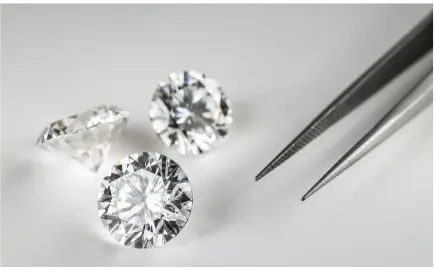
A diamond ring that costs $800 to source and manufacture can easily retail for $4,000 or more. The raw materials are not nearly as rare or expensive as people believe. The pricing is driven by branding, artificial scarcity, and decades of marketing campaigns convincing people that diamonds equal romance or commitment.
The real cost is low because most diamonds are mass mined, sorted, and marketed through central distribution companies. Retail jewelry stores then apply huge markups to cover overhead and profit.
Designer Clothing
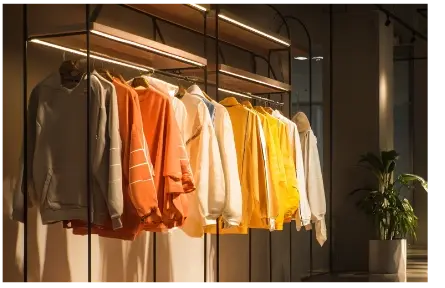
Designer clothing often costs $5 to $25 to manufacture. Materials like cotton, polyester, buttons, and zippers are inexpensive, and labor is usually outsourced to low-cost factories. Most designer pieces cost little more to produce than fast fashion.
Retail prices of $150 to $700 come from branding, runway shows, celebrity placement, promotional campaigns, and the idea of exclusivity. Consumers associate certain brands with status, and that emotional value drives the markup far more than the fabric or construction.
Coffee at Cafes

A cup of coffee costs $0.10 to $0.30 in beans, water, and milk. Even specialty beans are cheap per serving. Cafes buy in bulk, making the cost even lower.
Retail prices of $3 to $7 exist because you’re paying for labor, rent, ambiance, Wi-Fi, and convenience. Beverage margins are what keep cafes alive. The drink itself is one of the cheapest parts of the business.
Movie Theater Popcorn

Popcorn kernels are very cheap. A large serving costs around $0.50 to produce including butter flavoring and the tub.
Retail prices of $8 to $12 exist because theaters rely heavily on concession profit. Almost every theater uses concession sales to offset low ticket margins. Popcorn has one of the highest markups in the food world.
Printer Ink
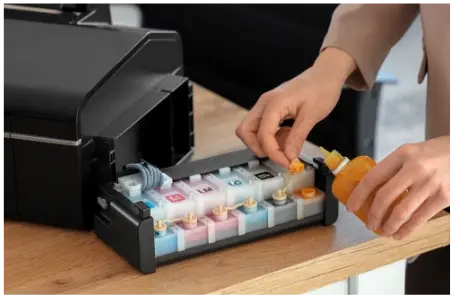
Printer ink costs pennies to manufacture per milliliter. It is essentially a highly pigmented liquid that is very similar to standard ink used in other industries.
But the retail equivalent per gallon can reach $3,000 to $8,000 because printer companies use a razor-and-blade business model. They sell the printer cheap and make extreme profit on ink refills, often using proprietary chips that prevent third-party cartridges.
Luxury Candles

Most luxury candles cost $2 to $5 to produce. Wax, fragrance oil, glass jars, and wicks are inexpensive materials, especially in bulk.
Retail prices of $40 to $90 are driven by branding and aesthetic value. The packaging and vibe of the candle matter more to consumers than the materials. Marketing, photography, and scent branding are where the costs come in.
Vitamins and Supplements

Many supplements cost pennies to produce per capsule. The main costs are fillers, binders, and simple powders purchased in enormous quantities.
Retail markups exceeding 500 percent come from packaging, celebrity endorsements, influencer marketing, and claims of health benefits. The supplement industry thrives on perception, not production cost.
Wedding Dresses
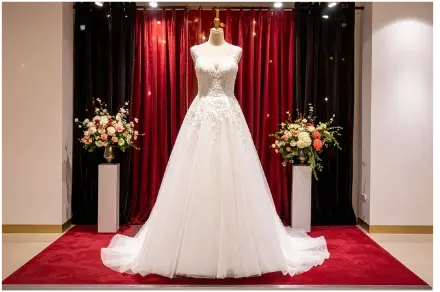
Wedding dresses often cost $80 to $200 to manufacture. Fabrics like tulle, lace, satin, and beading are cheaper than most brides realize when purchased wholesale.
Retail prices of $1,000 to $4,000 are based on emotional buying. Bridal shops know that weddings are high-pressure purchases, and people are willing to spend more for the “perfect” dress. Overhead, tailoring, and the emotional moment create huge markups.
Sneakers
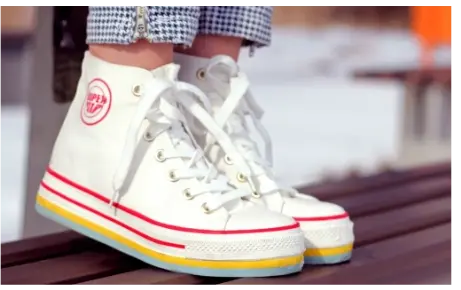
Sneakers typically cost $20 to $35 to manufacture. The foam midsoles, rubber outsoles, mesh, and leather are inexpensive when factories produce them at scale.
Retail prices of sneakers of $120 to $250 come from branding, design partnerships, marketing campaigns, and hype-driven culture. Consumers pay for identity and status more than materials.
Alcohol at Restaurants

A bottle of alcohol might cost $3 to $7 wholesale. Restaurants then sell each glass for $12 to $18.
The markup covers staff wages, rent, licensing fees, ambiance, and profit margins. Drinks often carry the highest profit percentage of any menu item.
Also Read: