Moms plastered with pastel filters and motivational quotes? That’s the curated fantasy. But behind the saccharine “momfluencer” façade, sometimes lies something darker, obsession, manipulation, or abuse. These are the worst mom influencer stories that shattered the picture-perfect family image and forced us to reckon with the real cost of content.
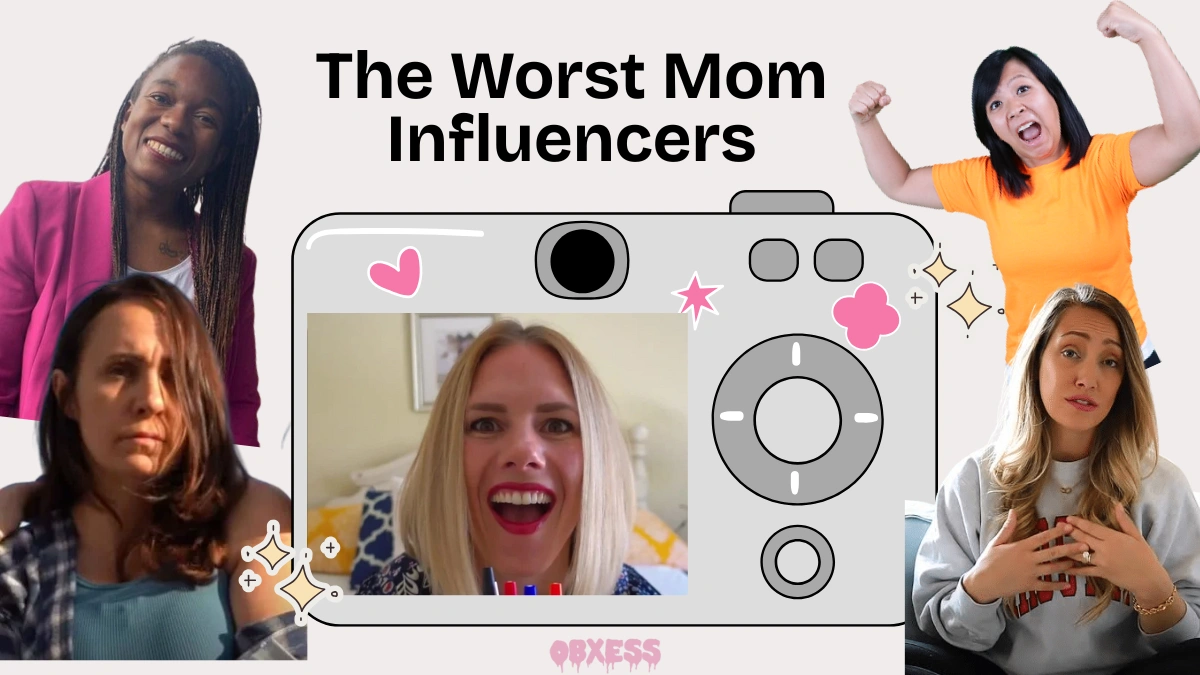
The Worst Mom Influencers
Ruby Franke’s Once-Perfect Family Channel Crashes
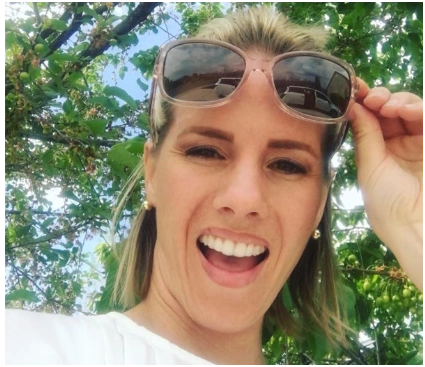
Ruby Franke built an empire on her YouTube channel 8 Passengers, where she and her husband chronicled life with their six children and showcased a religiously strict yet “perfect” Mormon family life. But the fantasy fell apart when, in August 2023, her 12-year-old son escaped her home in Ivins, Utah, duct‑taped and malnourished, seeking help from a neighbor.
Emergency responders found her younger children in equally dire conditions, under the care of Franke and her counselor-turned-partner, Jodi Hildebrandt. Both were arrested and charged with multiple counts of aggravated child abuse. By February 2024, they had pled guilty and were sentenced to consecutive prison terms totaling between four and 30 years.
Ruby’s divorce and a federal lawsuit further exposed the manipulation behind their parenting advice empire. A Hulu documentary, Devil in the Family: The Fall of Ruby Franke, brought unseen footage and heartbreaking testaments from her children and estranged husband, showing just how cruel a “momfluencer” dream can become. She definitely tops the evil list of the worst mom influencers.
Ryan’s World’s Mom-Controversy Behind the Toy Empire
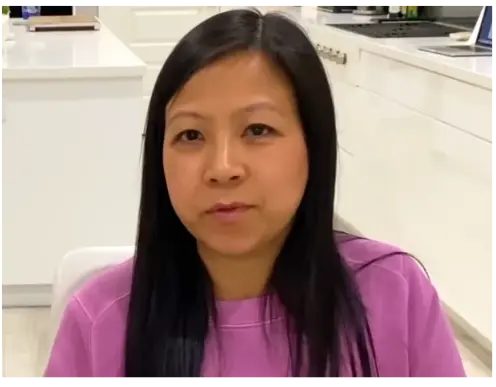
Ryan’s World didn’t start as a media empire. It began as a simple YouTube channel featuring a preschool-aged boy enthusiastically unboxing toys. Behind the camera was his mother, Loann Kaji, who helped turn those early videos into one of the most profitable children’s brands of the last decade.
By the time Ryan was in elementary school, Ryan’s World had exploded into a full-scale business. Branded toys in Walmart and Target. A Nickelodeon deal. Mobile games. Clothing lines. Toothpaste. Bedding. Lunchboxes. Forbes estimated Ryan earned tens of millions of dollars per year at the peak, making him one of the highest-paid YouTubers in the world.
In 2019, the Federal Trade Commission fined the Ryan’s World company millions for failing to properly disclose paid advertising in videos aimed at children. While the fine was paid and disclosures were updated, the moment cracked the wholesome image and reminded audiences that this was not just a family vlog. It was a commercial operation targeting kids.
Former fans and critics alike have also questioned how much agency Ryan actually had as he grew older. Viewers noticed changes in his enthusiasm on camera, more scripted formats. People began to question how much say Ryan really had in making this type of content.
Nowadays, Ryan seems to be less involved in creating content for their family channel, viewers have notice that his younger sisters seem to be appearing more, taking the place of their cash cow brother.
Machelle Hobson’s Kids-Starved Family Vlog Scandal

Back in 2019, the Fantastic Adventures YouTube channel looked like a wholesome family act: seven adopted kids starring in goofy skits, pulling in hundreds of thousands of subscribers and ad revenue. What fans didn’t see was the horror off-camera.
When one child managed to escape and run to a neighbor, police discovered the kids were malnourished, pepper-sprayed, beaten, and locked in a closet if they forgot their lines. Investigators said they were “coerced into acting” for content.
The channel raked in millions of views, but the kids never saw the profits. They were props, not participants, trapped in a digital nightmare. Hobson was arrested on multiple counts of child abuse, and although she died of natural causes before trial, her story sent shockwaves through the influencer industry. Suddenly, the curtain was pulled back on family vlogging’s dark side: when views, sponsors, and brand deals outweigh the wellbeing of the children onscreen.
Queensland Influencer Accused of Torturing and Poisoning Her Baby
In January 2025, headlines across Australia exploded with the story of a Logan-based influencer mom (was not named to protect the child) who allegedly turned motherhood into a stage set for horror. Police say the woman, who had built an online following as a relatable “struggling single mom,” was secretly subjecting her one-year-old daughter to torture and poison. The motive? Sympathy clicks and fat donations from strangers who thought they were helping a sick child.
Court documents revealed an almost unbelievable level of premeditation. Investigators claim she administered toxic substances to deliberately make the child ill, then photographed the suffering for posts that fed a steady stream of donations, reportedly raking in more than $60,000. Detectives charged her with a laundry list of crimes, including torture, child exploitation, administering poison with intent to harm, and even creating child abuse material.
She appeared briefly in Beenleigh Magistrates Court, where prosecutors fought to keep her in custody due to fears of public backlash and the gravity of her alleged abuse. The case shook Australia, not just because of the cruelty, but because it exposed the sinister extremes some influencers will chase in the name of clout and cash.
Fake “Squad Life” Meltdown in Kid Influencing
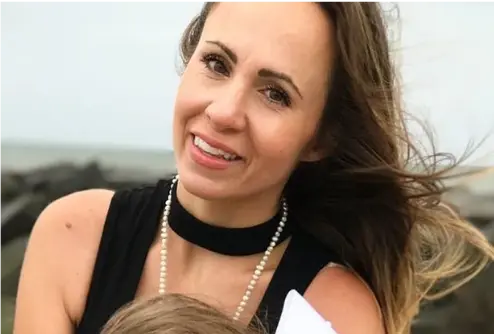
Tiffany Smith, mother of influencer Piper Rockelle, styled herself as the “Momager” of kid content and built a glittering empire called The Squad. To fans, it looked like nonstop fun: viral dance routines, choreographed sleepovers, and matching merch drops. But in 2022, the curtain ripped wide open when former members accused Smith of running the group like a boot camp.
Kids described 12-hour shoot days, screaming matches over missed steps, and a toxic environment where friendships were conditional on loyalty to Smith. Parents alleged she lured families in with promises of fame, only to control access to brand deals and keep most of the profits for herself.
The scandal reached a breaking point when Netflix’s Bad Influence: The Dark Side of Kidfluencing aired in 2023, devoting an episode to The Squad. Former kids recounted feeling trapped in a “cult-like” atmosphere, bound by exploitative contracts and silenced by the fear of public fallout if they left. Lawsuits soon followed, accusing Smith of emotional and financial exploitation, and sponsors bolted as fast as fans turned on her.
Within months, The Squad collapsed, its shiny image replaced with viral clips of crying kids, angry parents, and headlines asking how family content had been allowed to cross into child labor territory. Piper seems to have distanced herself from the tight reigns of her mom in her influencer content and seems to be going on her own path, although still questionable, as she has joined up the highly suggestive group of content creators who have branded themselves ‘The Bop House’.
Bibi’s Fatal Birth Advice

In October 2024 in Wallsend, near Newcastle, Australia, midwife and influencer Oyebola “Bibi” Coxon, who built a sizable online following with her gentle home-birth ideology, arrived to oversee a client’s unassisted water birth.
Coxon’s rise to fame relied on fear-driven rhetoric, dismissing blood tests, ultrasounds, and hospital protocols as unnecessary or harmful distractions from the “natural instinct” of birth. She touted ritual water births without epidurals, even in high-risk or breech cases, as ideal.
The client Bibi was caring for had endured two days of labor without receiving medical intervention, despite her pleas for hospital care and worrying signs of trouble. Coxon delayed action, even as the mother’s condition worsened, and the baby boy was finally delivered by emergency cesarean at John Hunter Hospital, only to die six days later.
Police launched Strike Force Girona to investigate the case, and on August 14, 2025, Coxon was arrested in Newcastle and charged with manslaughter and reckless grievous bodily harm. She was granted bail but must surrender her passports, report daily to police, and is barred from all birth-related work.
Myka Stauffer’s Adoption Scandal
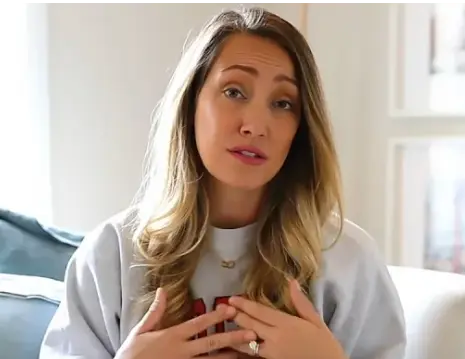
In 2020, family vlogger Myka Stauffer built a massive following by documenting her journey adopting a little boy named Huxley from China. Fans watched emotional updates about his adjustment, therapy sessions, and how the family was “called” to bring him into their home. But after years of monetizing Huxley’s image in sponsorships and family content, Myka shocked the internet by announcing that she and her husband had “rehomed” him.
The backlash was immediate and brutal. Viewers accused her of treating adoption like a brand deal, using the child for views until he became too difficult to manage, then quietly giving him away. Critics noted she had deleted videos featuring him, fueling suspicions of a cover-up.
Major outlets like People and BuzzFeed picked up the story, and former fans flooded her comments with outrage. Myka tried to defend herself, saying the boy had “special needs” she couldn’t meet, but the damage was irreversible. What was meant to be a picture-perfect influencer family arc turned into one of the most notorious momfluencer scandals of the decade, sparking a wider debate about ethics in family vlogging.
Chiara Ferragni’s Holiday Cake Charity Backfires
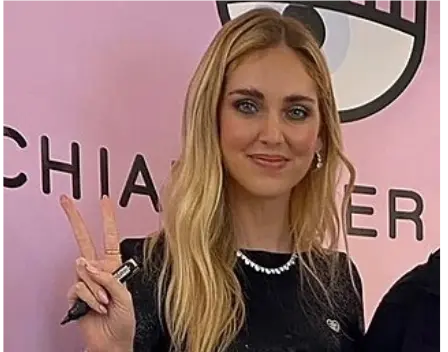
Chiara Ferragni, Italy’s most-followed influencer, doubled down on her pink power reach in 2022 with a holiday campaign for Balocco’s Pandoro di Natale, promoting it as a fundraiser for a children’s hospital. Followers flooded stores buying the cake, convinced their purchase supported pediatric care.
But investigative reporting revealed donations had already been made upfront and it wasn’t linked to any sales. Ferragni and Balocco were hit with fines totaling over €1.1 million, and in January 2025 prosecutors indicted her for aggravated fraud.
The scandal triggered the so-called Ferragni Law in 2024, setting new rules for influencer-based charity marketing. As the story spread across Italian and global media, Ferragni’s perfect influencer image cracked—fans felt deceived, brands pulled endorsements, and Italian law shifted to close the loophole her campaign exposed.
Regulation Born from Abuse
The Ruby Franke case didn’t just shock families, it shined a huge spotlight on family creators and using children, who don’t really have their own say, in frequent content. When the Utah momfluencer behind 8 Passengers was convicted in 2023 for child abuse and neglect after her kids were found malnourished and injured, the fallout was seismic.
Lawmakers in Utah, spurred by public outrage and child advocacy groups, drafted legislation that directly addressed the dangers of child exploitation in influencer culture. The new law requires parents to secure legal rights for a child’s participation in monetized content, set aside trust funds to ensure kids actually benefit from their labor, and, in some cases, obtain the child’s consent before filming or publishing. It was a direct response to the loopholes that had allowed Franke, and others like her, to profit while their children suffered.
California and Minnesota quickly followed suit, drafting similar bills to regulate “sharenting” and the monetization of minors online. Advocacy groups argue these laws are the first step in dismantling the “perfect mom” branding that can mask abuse.
The message was clear: viral fame no longer excuses exploitation, and content creators can no longer hide behind glossy family vlogs when children’s rights are at stake. The Franke scandal turned into a cautionary tale not just for parents, but for an entire industry that thrived on blurred boundaries between family and business. What once looked like wholesome family life now has lawmakers asking: who is really paying the price for clicks?
Why We Keep Watching
These mom influencer scandals aren’t just drama, they are cautionary tales. Online personas sell warmth and inspiration, but the real stories show how easy it can be to cross from genuine care into control or worse.
Nobody is knocking mothers who choose to jump into the influencer market. Hey, it’s a great way to make extra cash or even launch a career where you can stay at home and still tend to the little ones. But children should not be ’employed’ as the main content and any advice given should be vetted and safe. Viewers can still root for authentic families. We just have to stay untangled from the filter.