
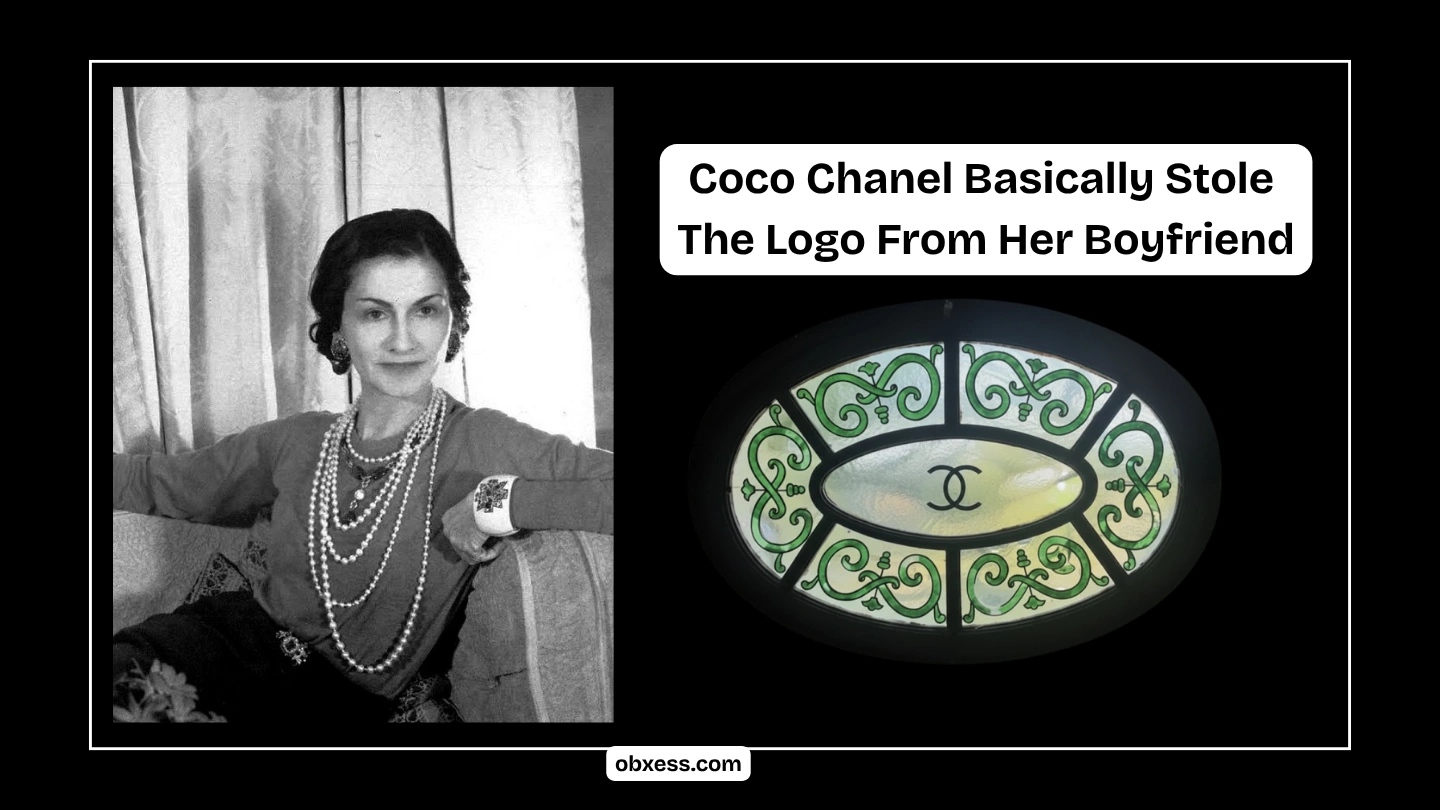
Picture this: in the shimmering Riviera sunlight, Coco Chanel walks the terraces of a grand château perched above Nice. Through a carved archway she glimpses a monogram—two intertwined “C”s—etched or wrought into a doorway or a stained-glass window. She pauses. She smiles. And later, she signs all her creations with a double-C logo.
The idea that Coco Chanel “stole” her iconic Chanel logo from her boyfriend’s castle is more fashion legend than documented fact. But like many legends in the world of couture, it has just enough dust of truth, speculation, and romantic flair to be fun to explore.
The Birth of an Icon – Chanel Logo History

The double C logo is one of the most recognized symbols in the world. It stands for Coco Chanel, yes, but it also stands for sophistication, elegance, and the kind of understated luxury that she built her empire on.
The logo first appeared in 1925, shortly after Chanel had solidified her name in haute couture and was expanding her influence beyond Paris. From handbags to jewelry to the cap of her signature No.5 perfume, those intertwined letters became shorthand for taste, status, and French chic.
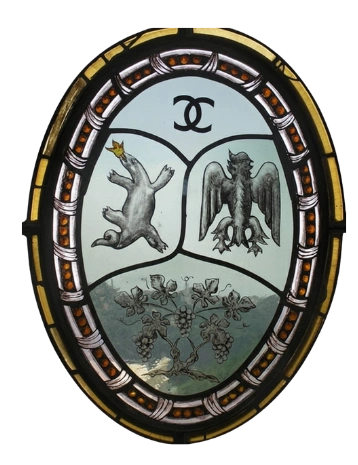
But the origin of the design is more intimate than most branding stories. It wasn’t cooked up by a marketing department or drawn by a professional logo artist. It was inspired by something Chanel saw while spending time at Château de Crémat with the Duke of Westminster, one of the wealthiest and most influential men in Europe at the time.
Hugh Grosvenor, known simply as “Bendor” to friends, was the second Duke of Westminster and a member of the British aristocracy. When he and Chanel began their relationship in the 1920s, he introduced her to a world of country estates, luxury yachts, and Riviera retreats that would shape her aesthetic forever.
Coco and the Duke
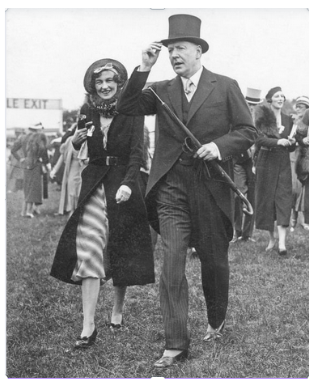
Their relationship was as passionate as it was complicated. Chanel was already an established designer by the time she met the Duke, and he was already married when they began seeing each other. Despite that, they shared a deep bond and a mutual fascination for elegance, refinement, and style. The Duke adored Chanel’s wit and independence. She admired his wealth, his confidence, and his impeccable taste. Together, they spent long summers traveling across Europe, often retreating to the French Riviera to escape London society.
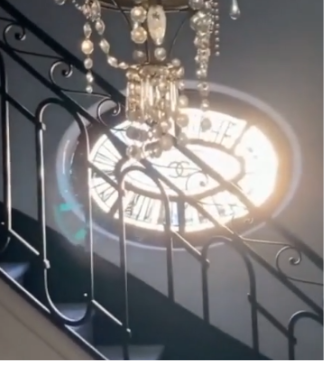
It was at one of these retreats, Château de Crémat, that their love story merged with Chanel’s creative vision. The château, a jewel of early twentieth-century architecture, was famous for its sweeping views and lavish interiors. Its owner at the time was a close friend of the Duke’s, and the couple often attended gatherings there. The décor of the estate was heavily inspired by medieval motifs, with ornate gates, ironwork, and stained glass decorated in symmetrical monograms and intertwined letters.
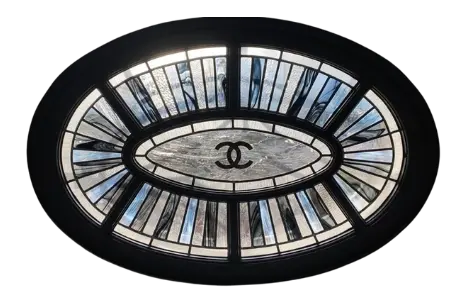
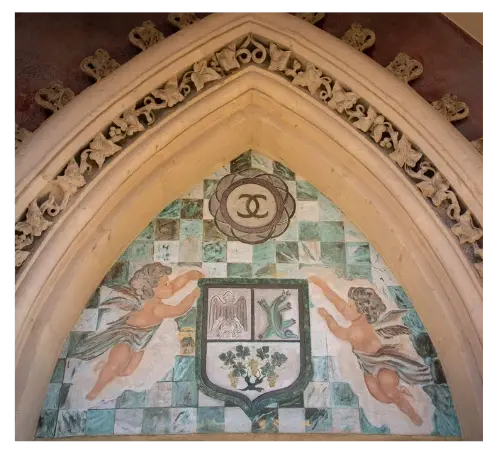
Among those designs was a pattern of two interlocking Cs. The symbol stood for Château de Crémat. It adorned the arches, windows, and even the wine barrels produced on the estate. Chanel, ever the observer, noticed the design immediately.
From Castle Walls to Couture
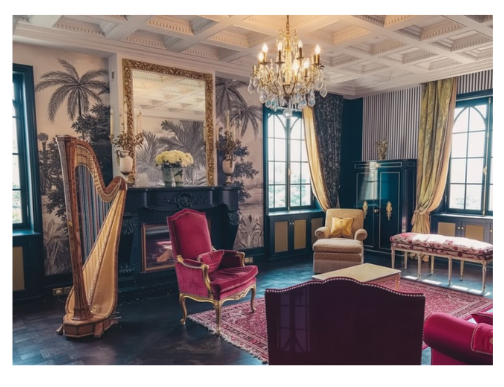
When Chanel returned to Paris, she began using the double C as a mark of authenticity on her creations. The symbol debuted officially in the mid-1920s and quickly became the stamp of her empire. Two mirrored Cs, perfectly balanced, one facing forward and the other backward. To the public, they stood for Coco Chanel, but to those who knew her best, they also whispered of Château de Crémat and the man who had captured her heart.
Hugh Grosvenor remained one of the most important figures in Chanel’s life. Their affair lasted nearly a decade, and even after it ended, they continued to share respect and affection. The Duke famously offered to marry her, but she refused, saying, “There are many Duchesses of Westminster, but only one Coco Chanel.”
She chose independence over title, but the experiences she had during their time together left an imprint on her work. From her love of tweed jackets (inspired by British hunting attire) to her fondness for pearls and fine tailoring, the Duke’s world shaped her creative identity. And perhaps most lastingly, the emblem she saw at his friend’s château became the eternal face of her brand.
Visiting Château de Crémat Today
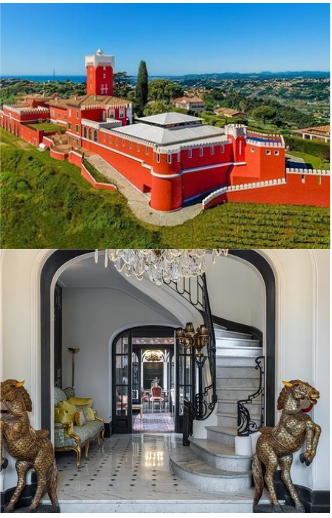
Today, Château de Crémat still stands proudly over the city of Nice, a short drive from the Riviera coastline. Visitors can walk the same stone terraces that Chanel once strolled and see the emblem that likely sparked her imagination. The castle is now a functioning vineyard, and offers tours of the estate, taking guests through its cellars, gardens, and interiors, including the famous arches and stained-glass windows where the interlocking Cs can still be found.
Guests can sample the estate’s wines, stroll through the gardens, and admire the artistry that connects its past to Chanel’s world. Inside, the château feels like a time capsule from the Jazz Age. Golden light filters through its colored windows. Wrought-iron doors feature swirling monograms, and tiled floors retain the ornate details of early twentieth-century craftsmanship. There’s even a “Coco Chanel Suite,” designed as a tribute to her frequent visits and her connection to the estate’s design. From its terrace, you can look out across the vineyards to the sparkling Mediterranean, a view she likely admired more than once.
The château has fully embraced its link to fashion history, making it a must-see for anyone who loves both design and legend. Standing before those famous arches, it’s impossible not to imagine Chanel herself standing there decades ago, eyes narrowing as she studied the intertwined Cs that would one day become her signature.
A Love Story Written in Letters
Coco Chanel’s life was filled with reinvention, but her romance with the Duke of Westminster remains one of its most defining chapters. It was through him that she mingled with royalty, learned the codes of British refinement, and discovered the motifs that would shape her aesthetic. Their affair may have ended, but its legacy is carved into fashion history through the CC logo, a mark born of romance, artistry, and a stolen moment of inspiration in a sunlit castle above Nice.
Also Read: